ACL Injuries
The anterior cruciate ligament controls forward shift and rotation of the knee. When it tears, the knee tends to “give way” — but with a well-planned treatment, returning to an active life and to sport is realistic.
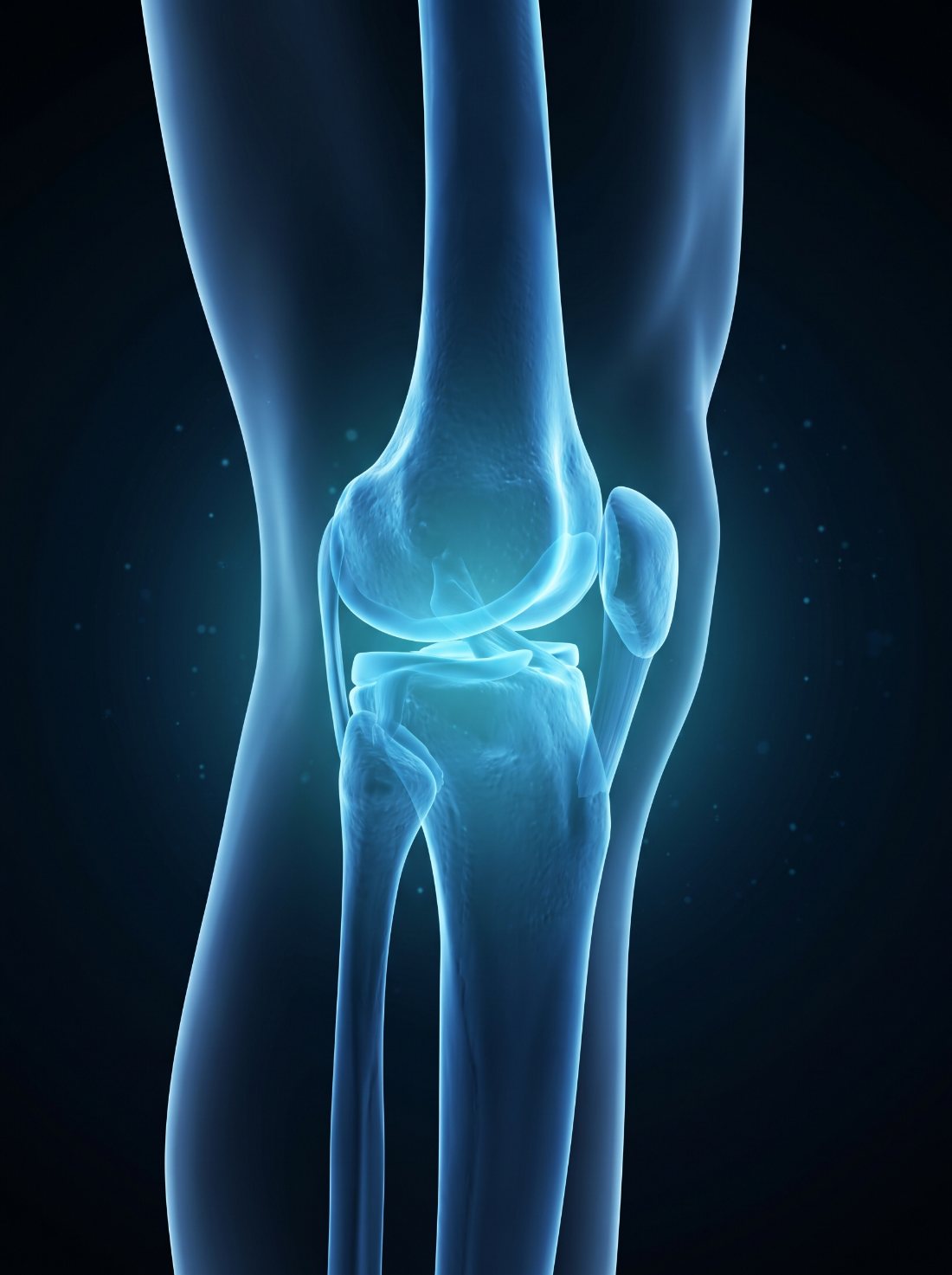
The anterior cruciate ligament controls forward shift and rotation of the knee. When it tears, the knee tends to “give way” — but with a well-planned treatment, returning to an active life and to sport is realistic.
The anterior cruciate ligament (ACL) connects the thigh bone to the shin bone, crossing through the centre of the knee. It can tear partially or completely during sudden changes of direction, awkward landings or when the knee collapses inwards.
It is common in football, basketball, volleyball and skiing, but it can also happen with a simple misstep in everyday life.
A ‘pop’ felt or heard at the moment of injury, followed by swelling within a few hours, is typical. Once the acute phase settles, the main complaint is a knee that feels unstable.
A careful clinical examination is the most valuable step; tests such as Lachman and pivot-shift assess how the ligament works. MRI confirms the tear and reveals any associated meniscus or cartilage damage.
The decision is not based on the MRI alone — age, activity level, sporting goals and episodes of giving way all matter. For some less active patients, a strengthening programme may be enough.
For athletes and patients with instability, the ligament is reconstructed arthroscopically (keyhole surgery) using a graft prepared from the patient’s own tendons. Associated meniscus tears are treated in the same session.
Physiotherapy starts within the first days after surgery. Walking is regained quickly; running and contact sports are planned once strength, balance and hop tests are passed — usually between 6 and 9 months.
Return to sport is guided by measurable criteria rather than the calendar, which lowers the risk of re-injury.
No. Some patients with lower activity demands and no instability can be managed with rehabilitation. The decision is made together, based on examination and goals.
Repeated episodes of giving way in an unstable knee can damage the meniscus and cartilage over time, so regular follow-up matters for active people.
For most athletes between 6 and 9 months; the exact timing is set by strength and functional testing.
This page provides general information. The right treatment for you is decided with your doctor after examination and tests.
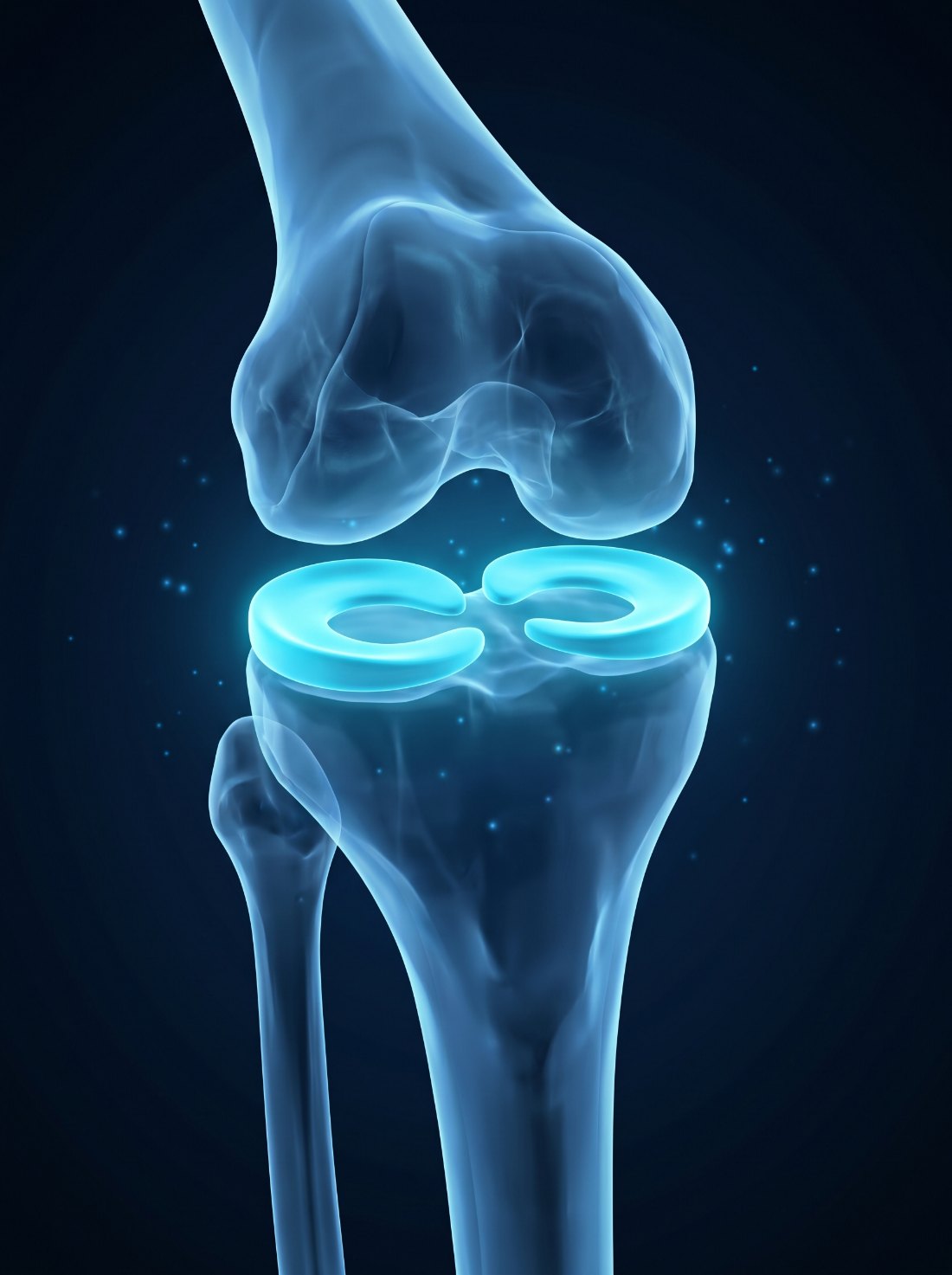
A tear in the knee’s shock absorber — not every tear needs surgery.
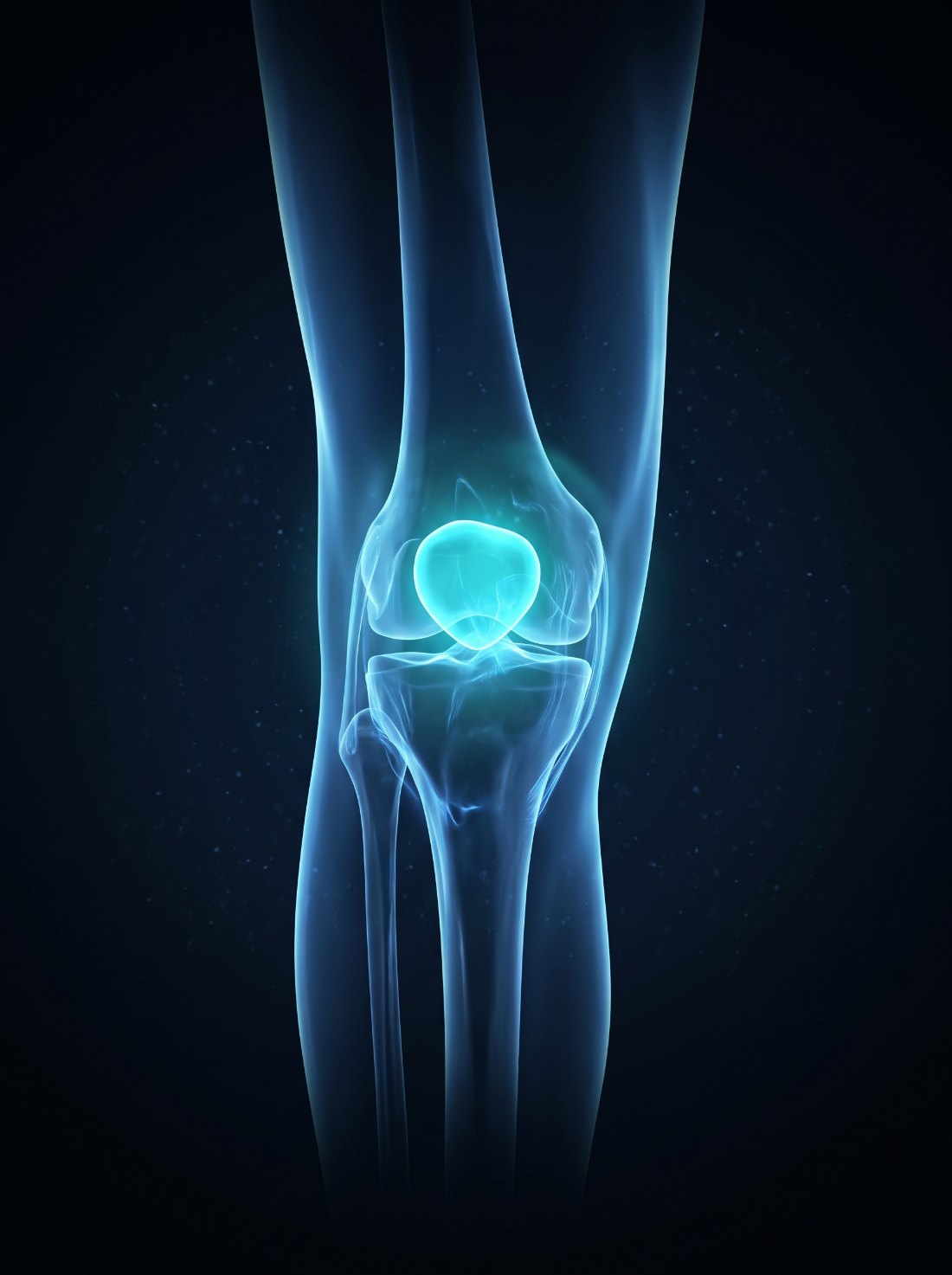
When the kneecap dislocates or feels as if it is about to slip out.
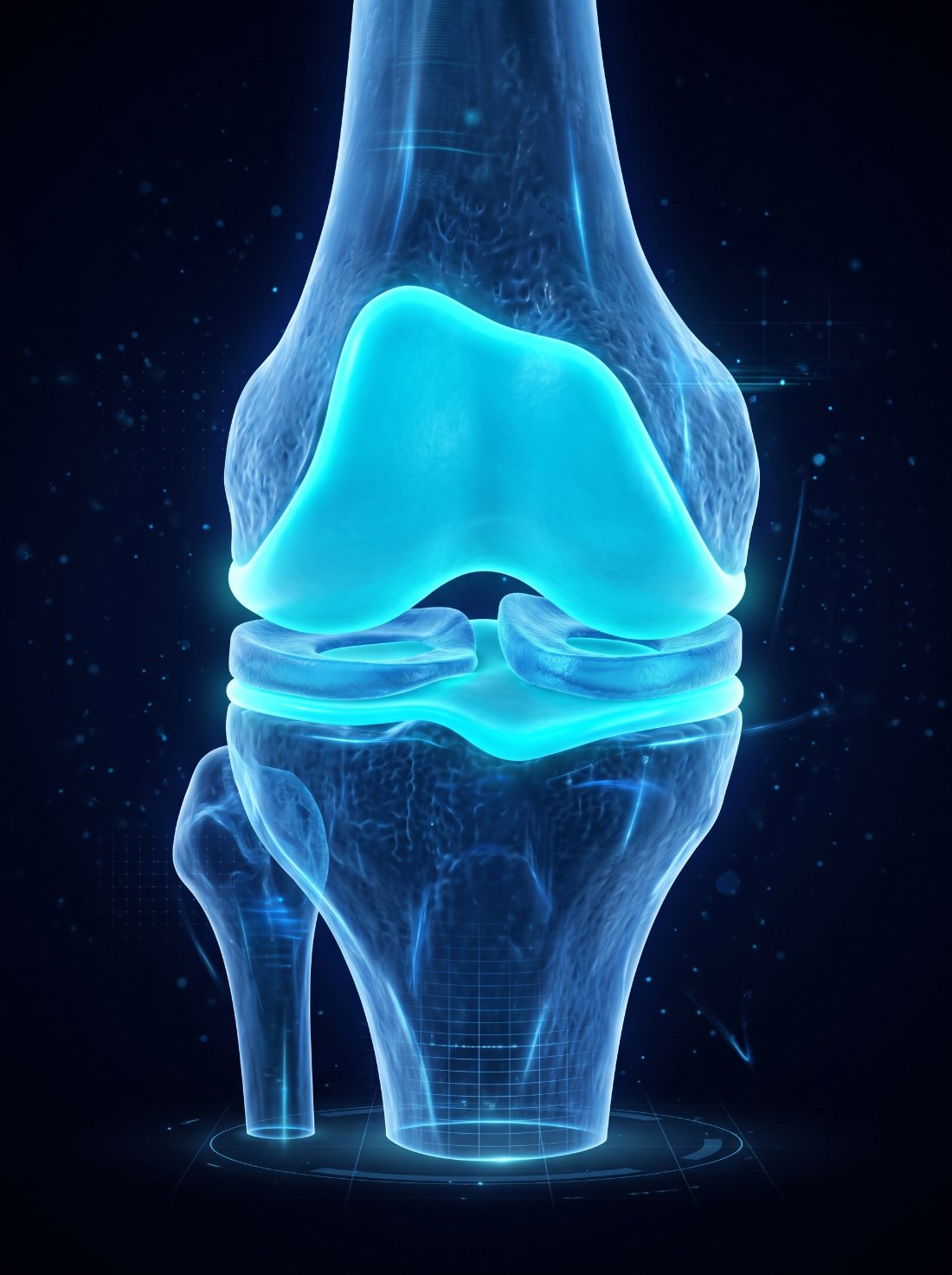
Joint-preserving approaches for damage to the cartilage that protects the joint surface.
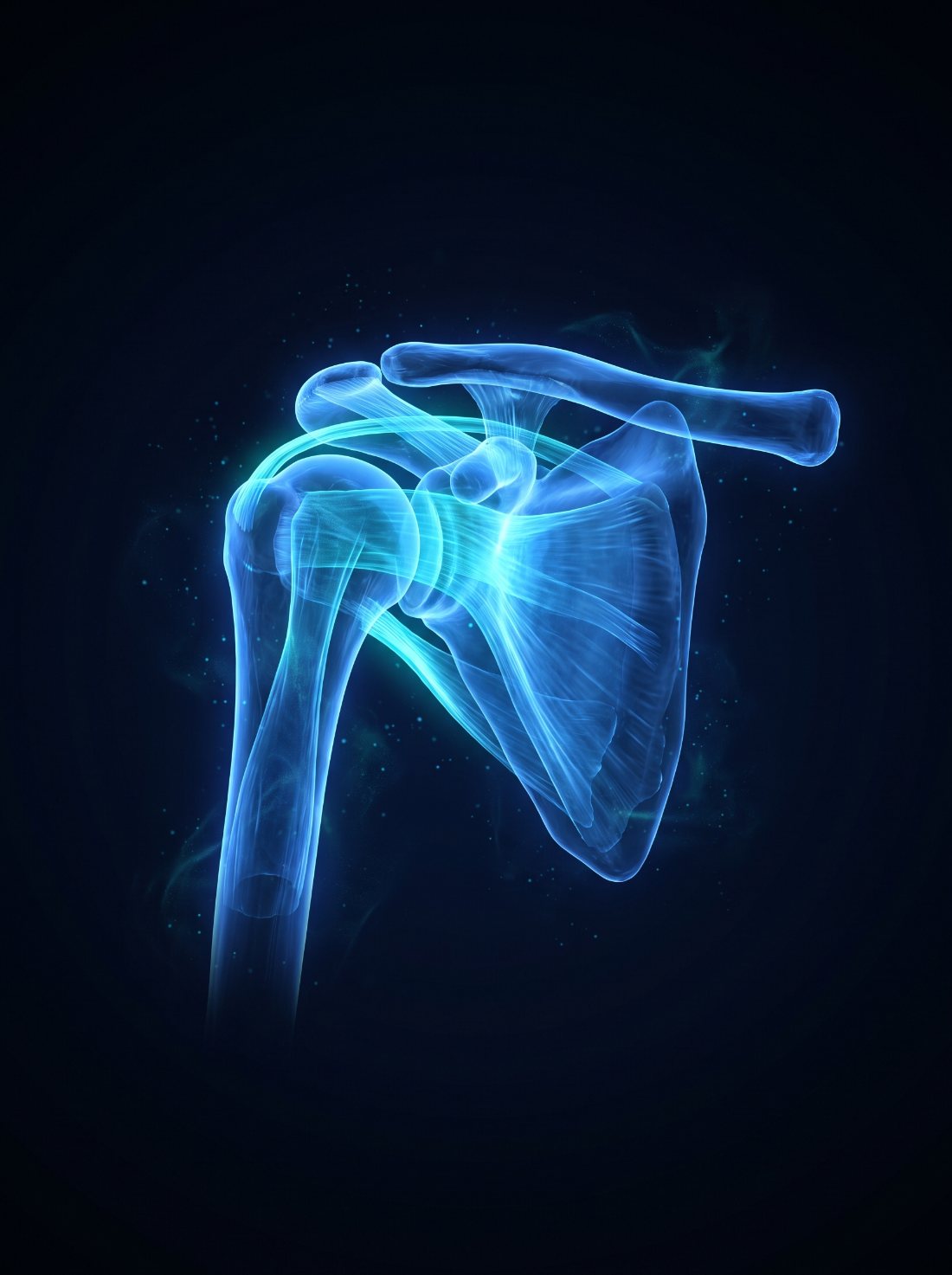
Keyhole surgery for rotator cuff tears, dislocations and impingement.
You can book your consultation online through Memorial Şişli Hospital or by calling the call centre.
444 7 888