Meniscus Tears
The menisci are C-shaped cartilage cushions that spread load between the thigh and shin bones and protect the knee. The type and location of the tear determine the plan; preserving the meniscus whenever possible is our priority.
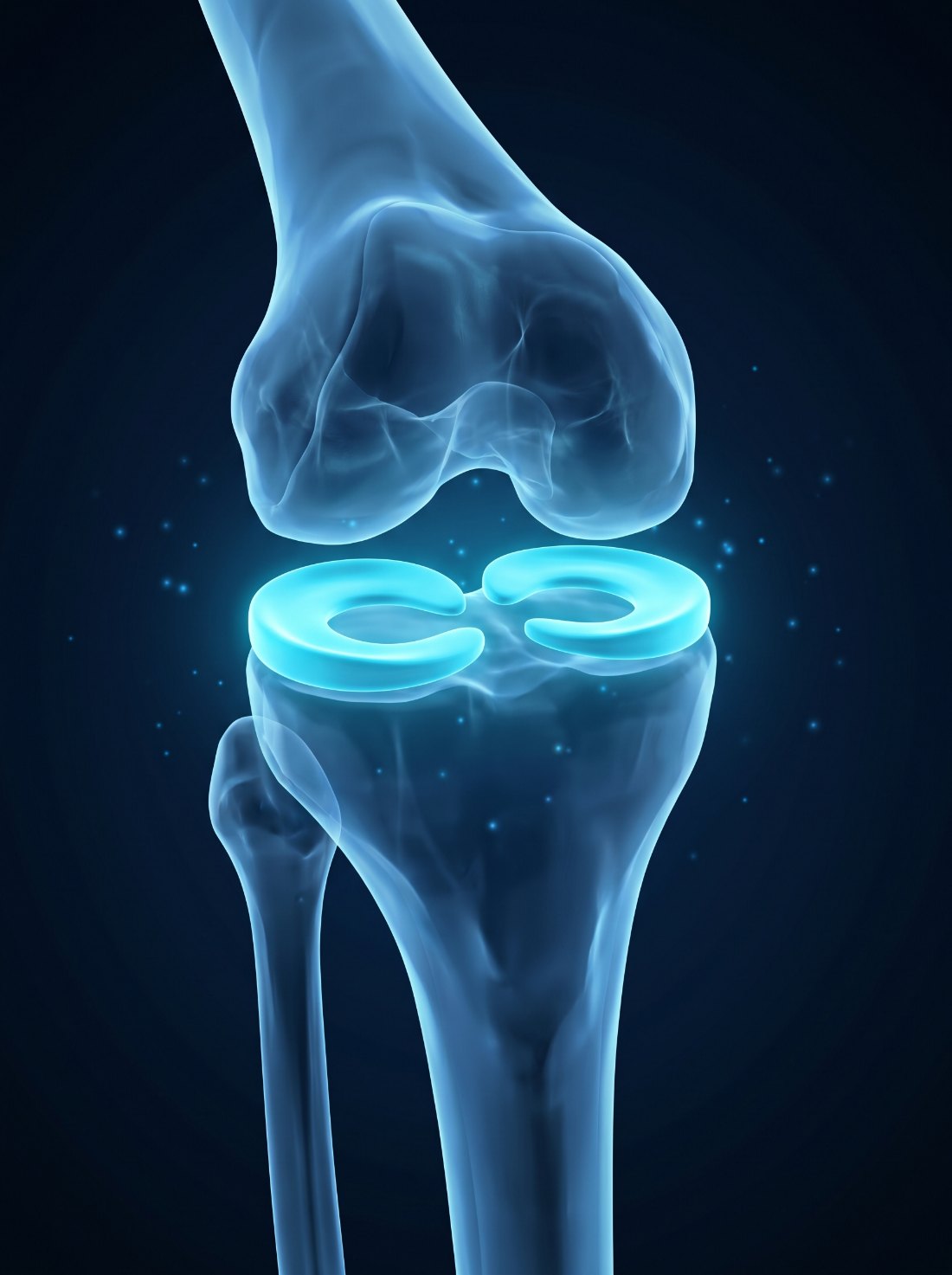
The menisci are C-shaped cartilage cushions that spread load between the thigh and shin bones and protect the knee. The type and location of the tear determine the plan; preserving the meniscus whenever possible is our priority.
Each knee has an inner and an outer meniscus. Younger patients usually have traumatic tears caused by twisting, while older patients more often have degenerative tears due to tissue wear.
Symptoms depend on the size of the tear. Small tears may hurt only with certain movements, while larger tears can cause catching or locking.
Examination looks for joint-line tenderness and specific tests. MRI shows the location and pattern of the tear and guides treatment.
Many tears without mechanical symptoms can be managed with rest, exercise and, if needed, injections. Tears that cause locking, or those in zones with good healing potential, are treated arthroscopically.
The priority in arthroscopy is to repair the meniscus with sutures; fragments that cannot be repaired are trimmed conservatively. Preserving the meniscus lowers the long-term risk of arthritis.
After a repair, weight bearing is limited for a period to let the suture heal; return to sport is usually planned within 4–6 months. Recovery after trimming is much faster.
Tears in the well-vascularised outer rim can heal; tears in the inner part have limited healing capacity.
The meniscus protects the knee, so repair and preservation are preferred whenever possible.
This page provides general information. The right treatment for you is decided with your doctor after examination and tests.
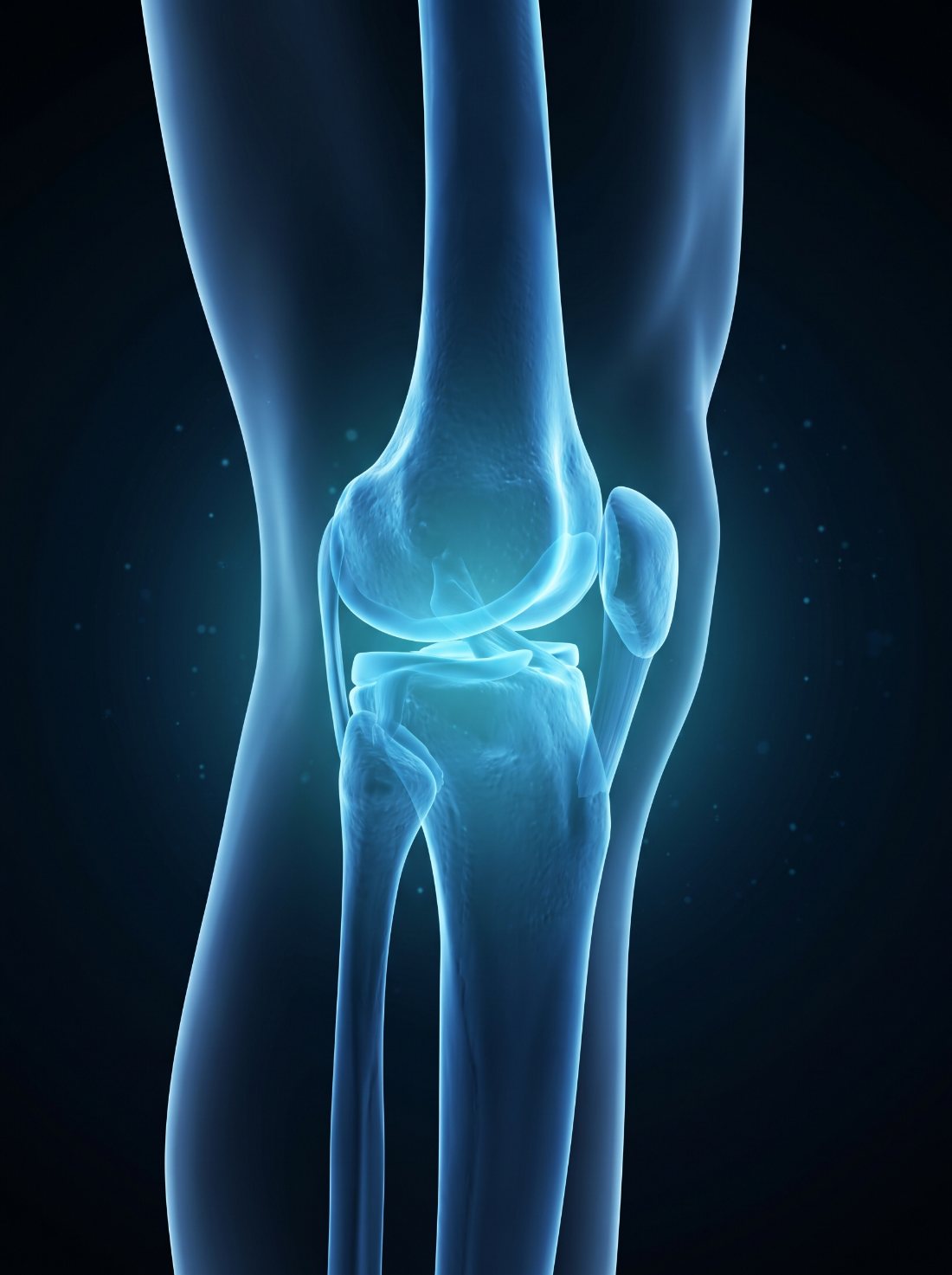
The key stabilising ligament of the knee, often torn in sudden pivots and landings.
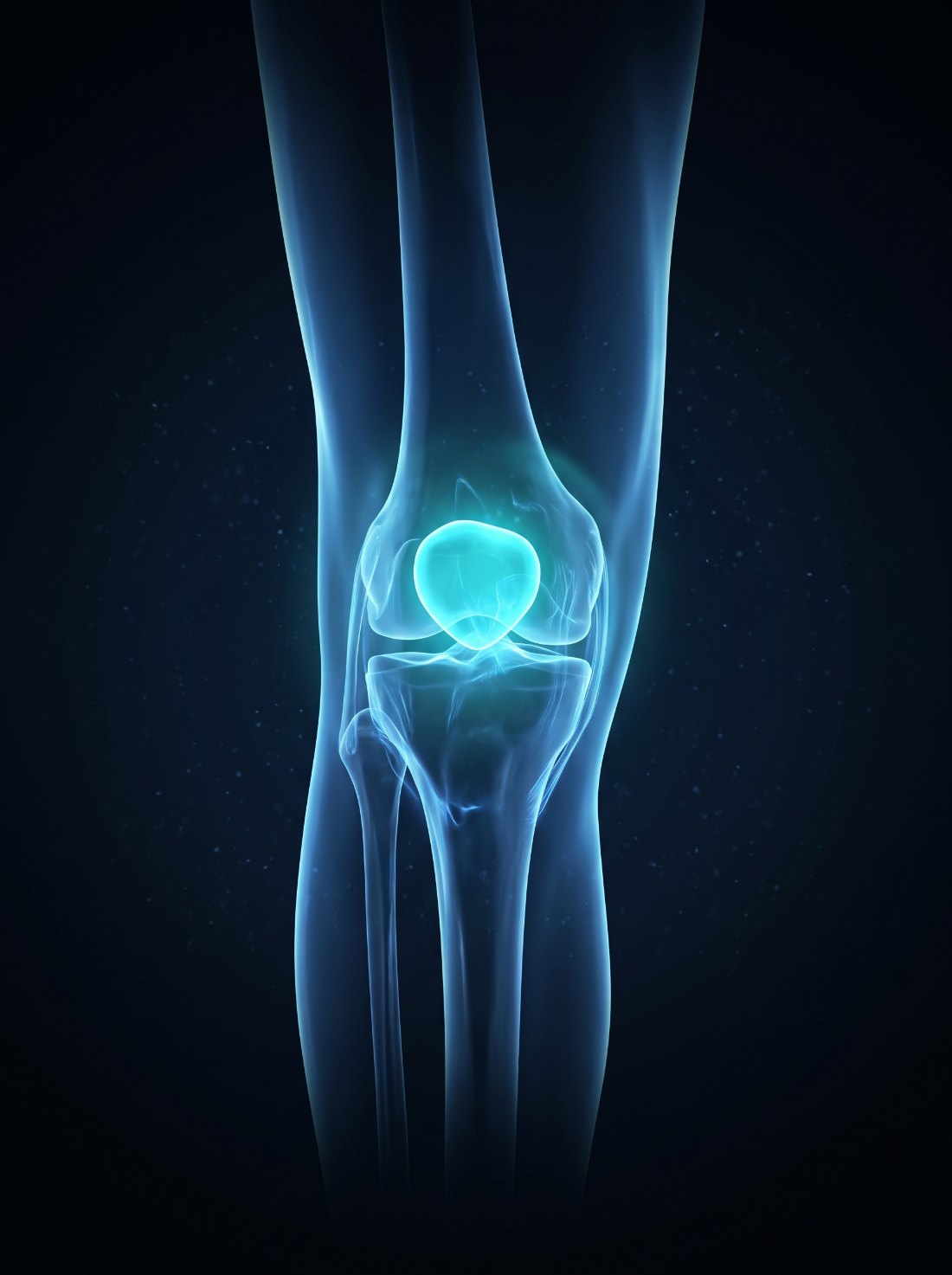
When the kneecap dislocates or feels as if it is about to slip out.
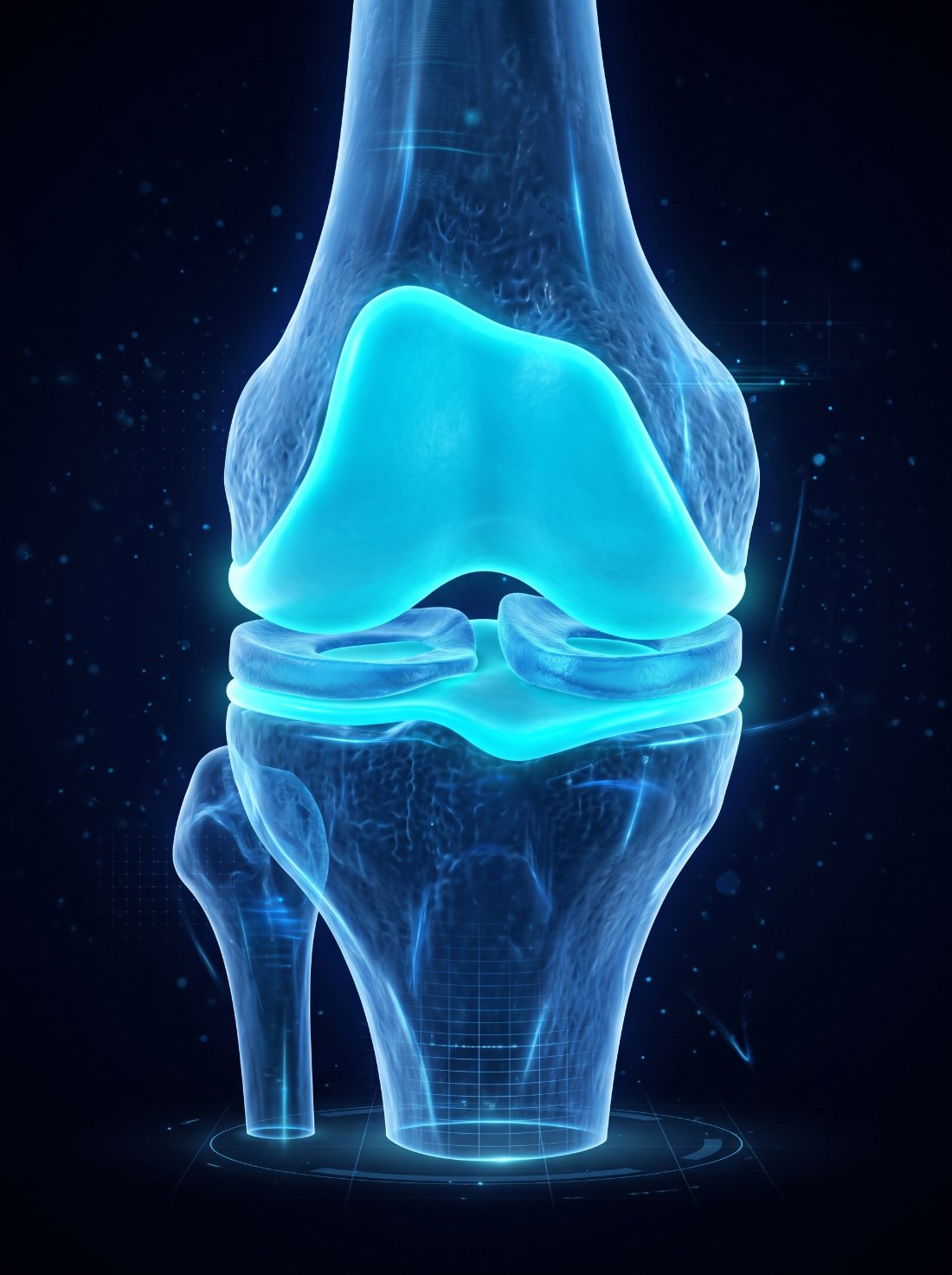
Joint-preserving approaches for damage to the cartilage that protects the joint surface.
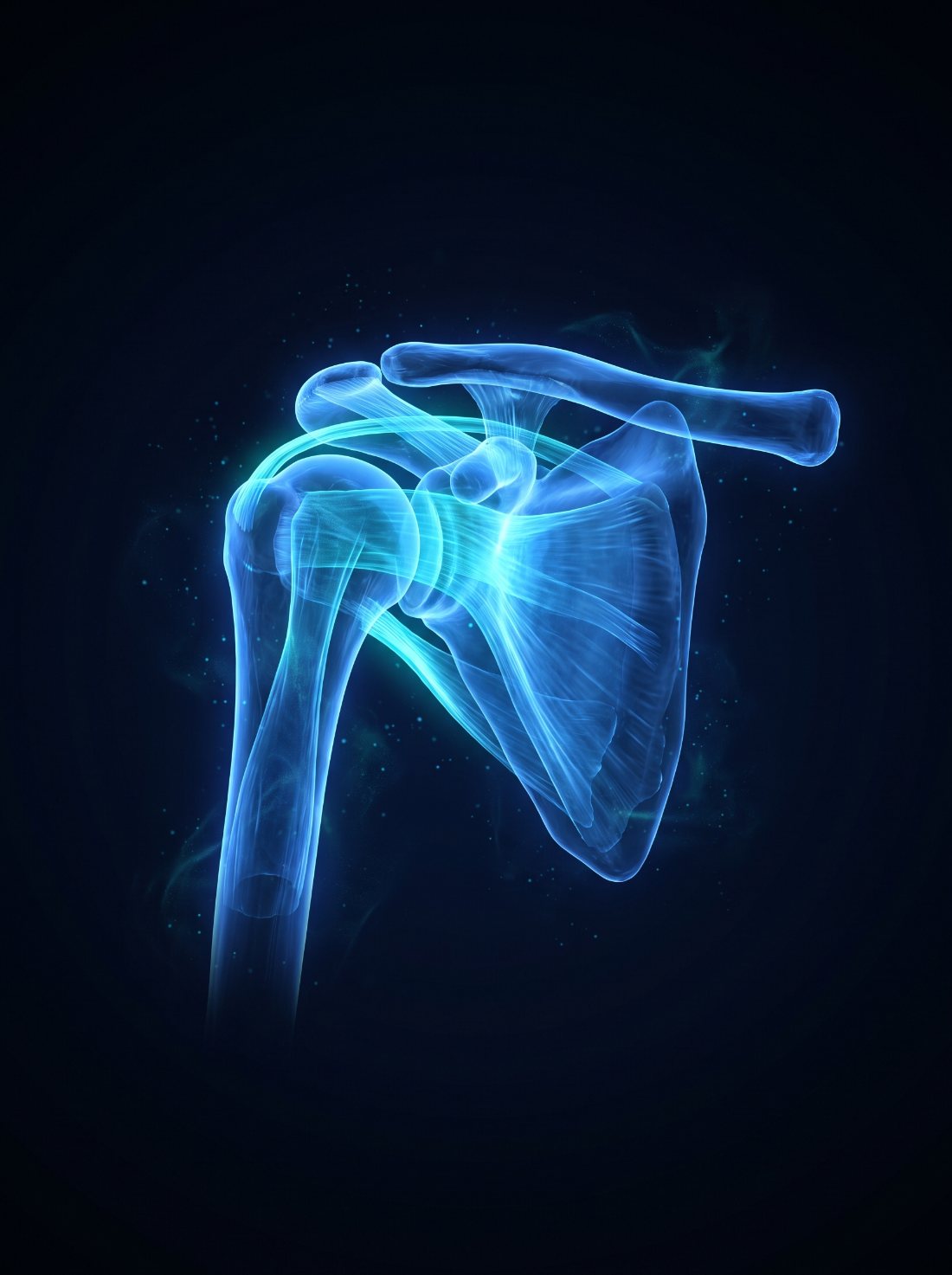
Keyhole surgery for rotator cuff tears, dislocations and impingement.
You can book your consultation online through Memorial Şişli Hospital or by calling the call centre.
444 7 888