Shoulder Arthroscopy
The shoulder has the widest range of motion of any joint — and that flexibility makes it prone to injury. Arthroscopy uses a camera through small incisions to diagnose and treat problems inside the joint.
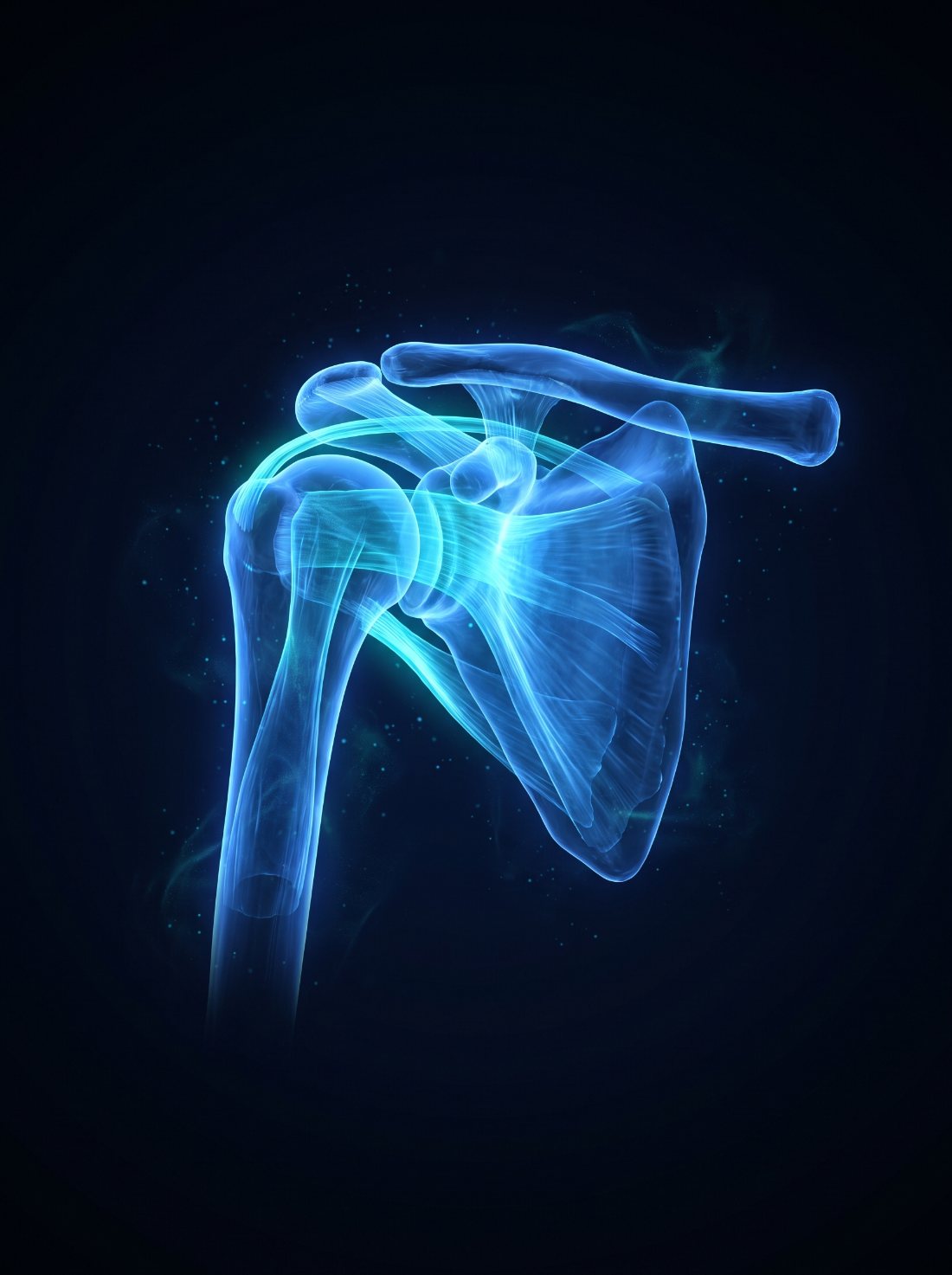
The shoulder has the widest range of motion of any joint — and that flexibility makes it prone to injury. Arthroscopy uses a camera through small incisions to diagnose and treat problems inside the joint.
Shoulder arthroscopy is commonly used for rotator cuff tears, recurrent dislocations, labral tears, biceps tendon problems and impingement.
Night pain, difficulty lifting the arm overhead, loss of strength and a feeling that the shoulder may slip out are the most common reasons to seek care.
Examination assesses strength and range of motion; MRI evaluates the tendons and labrum. Age, work and sporting demands are considered together.
Many shoulder problems improve with physiotherapy and exercise. When a tear enlarges, pain persists or dislocations recur, tendons and ligaments are reattached arthroscopically using suture anchors.
The keyhole technique means less tissue damage, less pain and faster rehabilitation.
After repair the shoulder is protected in a sling for a period, then movement and strength are regained step by step with physiotherapy. Return to heavy work and contact sport usually takes 4–6 months.
Most patients go home the same day or the next day.
The risk of recurrence is high in young and athletic patients, so assessment after a first dislocation is important.
This page provides general information. The right treatment for you is decided with your doctor after examination and tests.
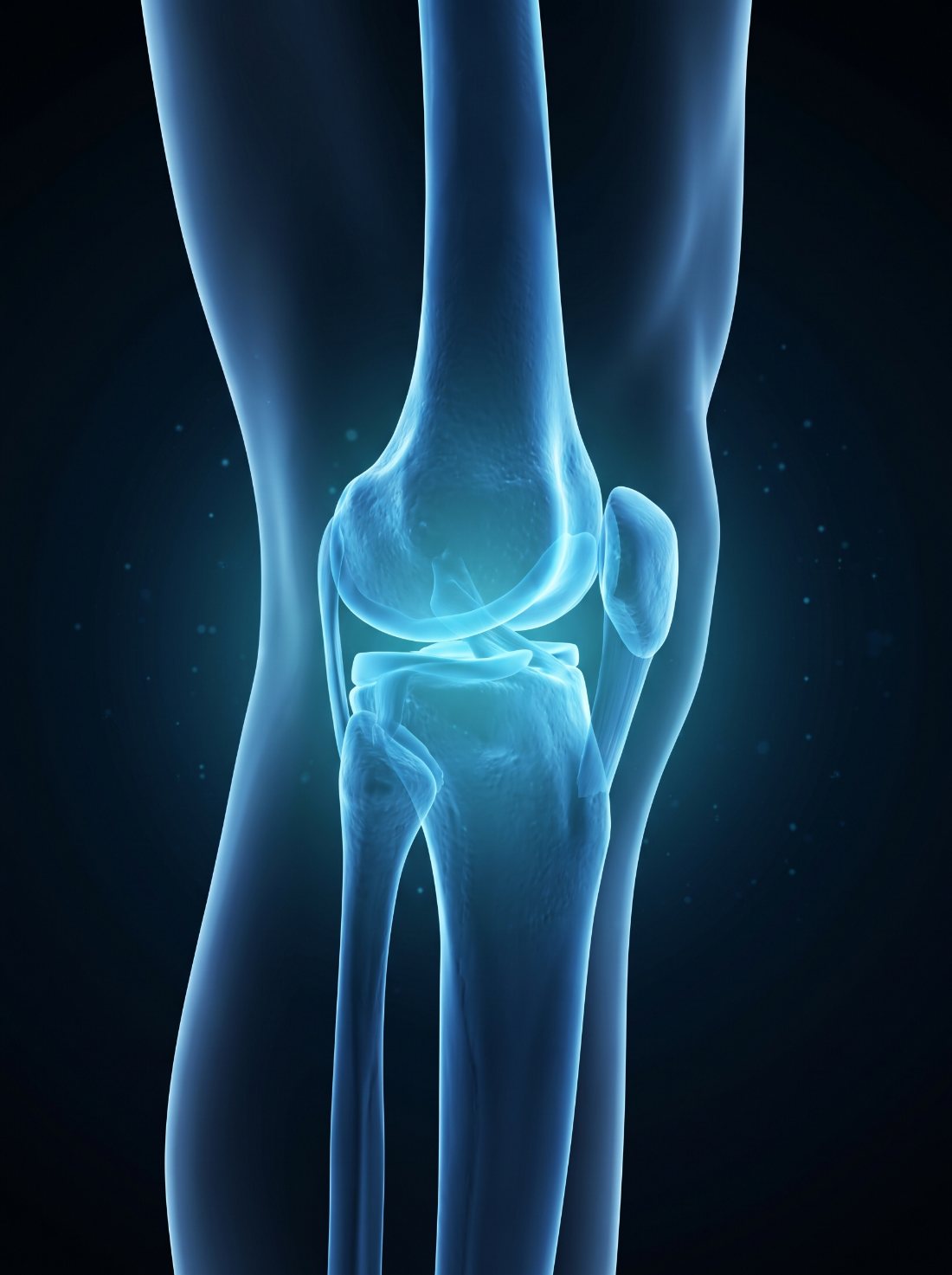
The key stabilising ligament of the knee, often torn in sudden pivots and landings.
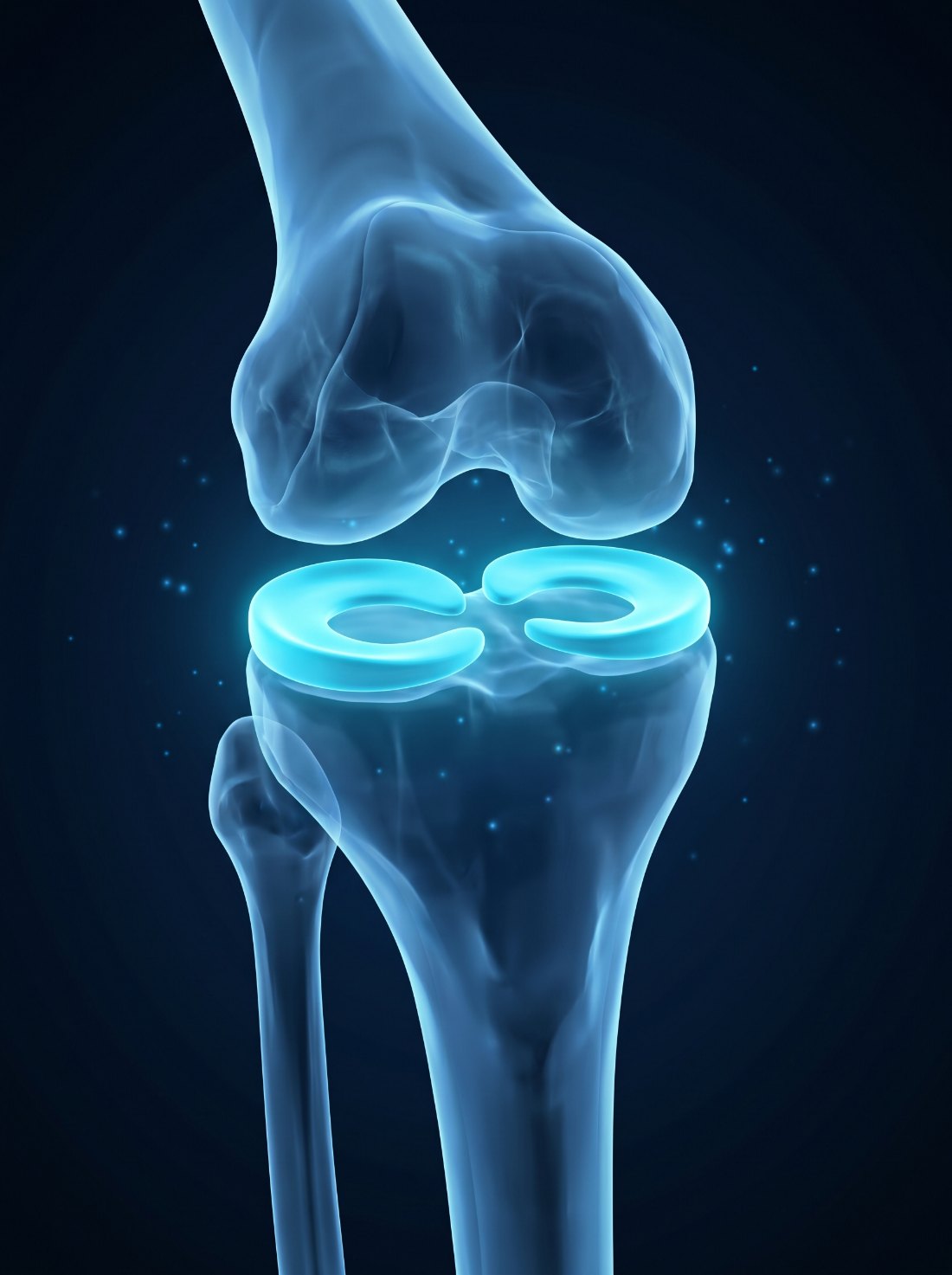
A tear in the knee’s shock absorber — not every tear needs surgery.
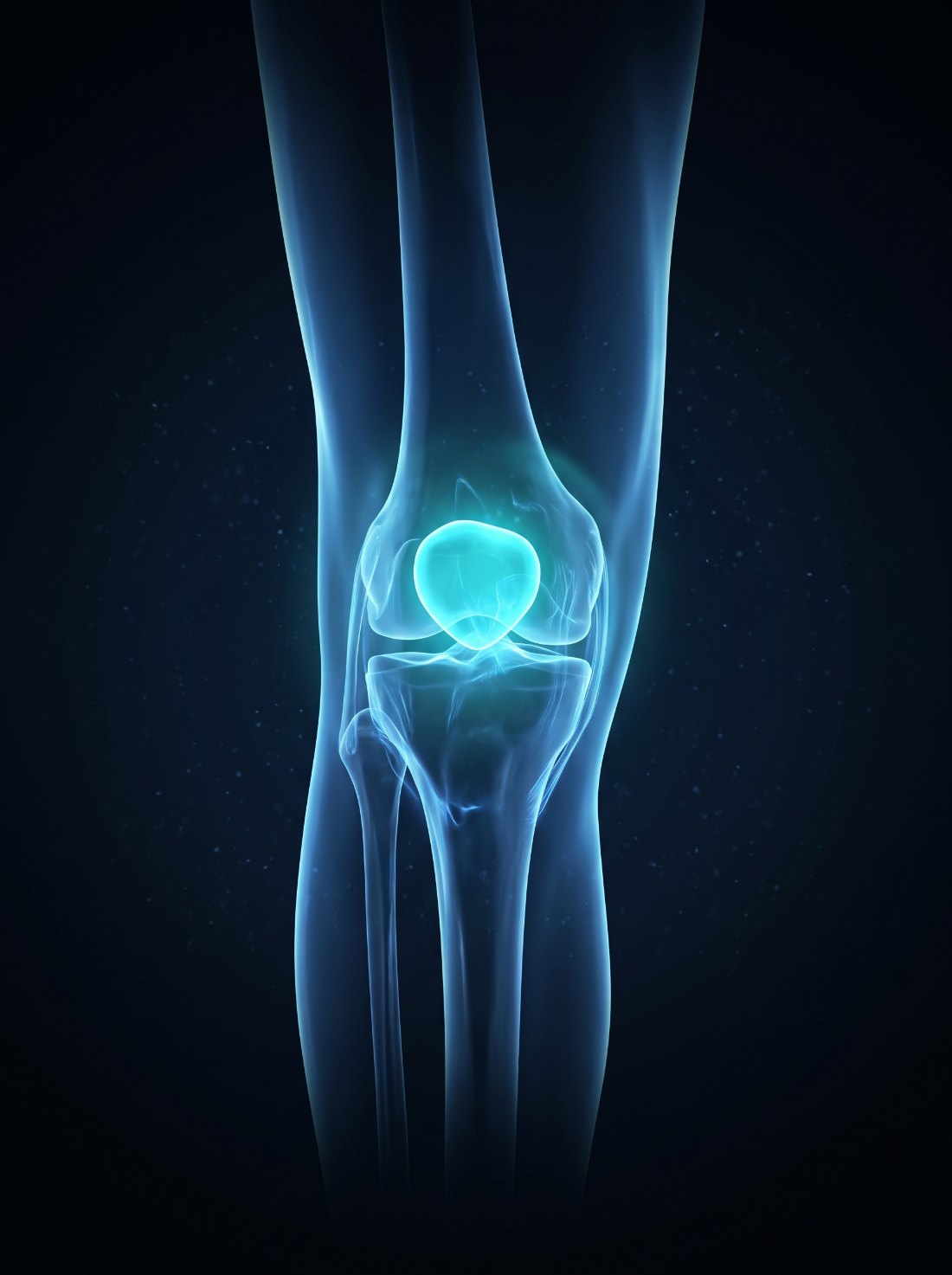
When the kneecap dislocates or feels as if it is about to slip out.
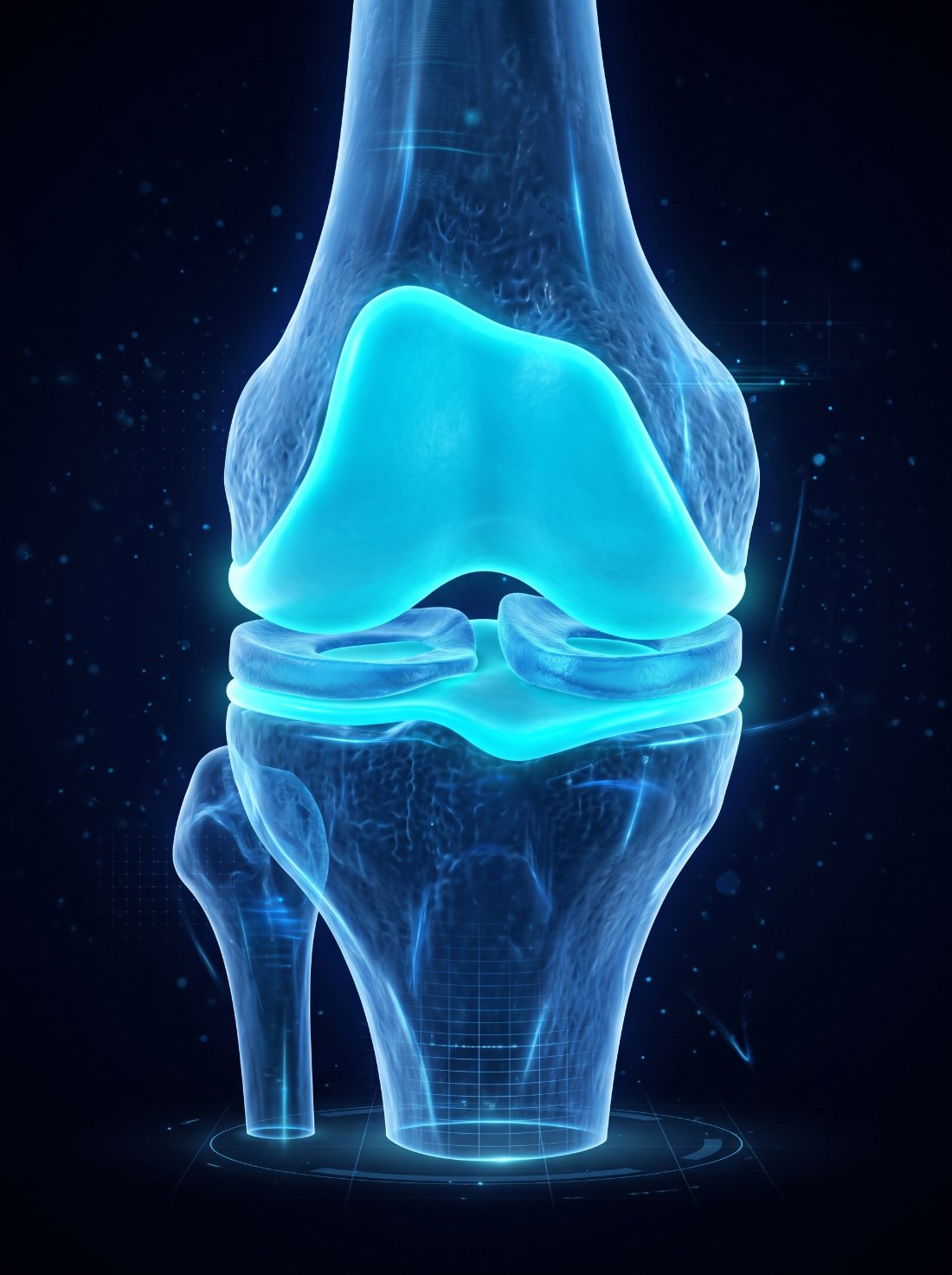
Joint-preserving approaches for damage to the cartilage that protects the joint surface.
You can book your consultation online through Memorial Şişli Hospital or by calling the call centre.
444 7 888