Cartilage Damage& Treatments
Articular cartilage covers the ends of the bones and allows frictionless movement. Its capacity to regenerate is limited, so managing damage correctly and early is decisive for the life of the joint.
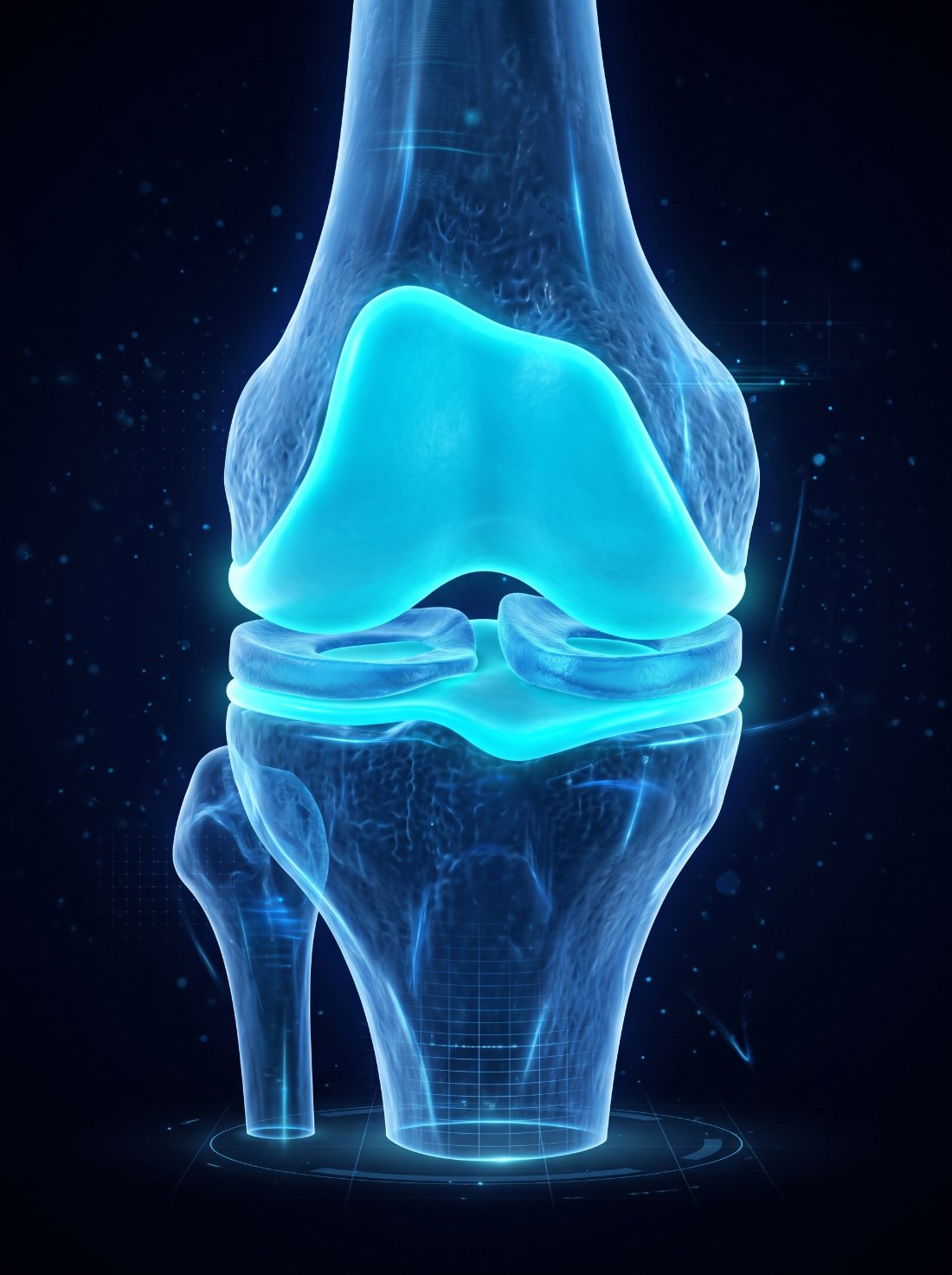
Articular cartilage covers the ends of the bones and allows frictionless movement. Its capacity to regenerate is limited, so managing damage correctly and early is decisive for the life of the joint.
Cartilage damage can result from sports injuries, kneecap dislocations, ligament tears or gradual wear. Small, contained defects may enlarge over time if left untreated and accelerate arthritis.
MRI shows the location, depth and size of the defect. Treatment is chosen according to defect size, age, leg alignment and any associated ligament or meniscus problems.
Options range from load modification and exercise to orthobiologic injections, and on to arthroscopic or open cartilage repair.
In suitable patients, joint-preserving procedures such as microfracture, cell-free or cell-based scaffold implants and osteochondral grafting are used. The goal is to protect the joint and delay the need for replacement.
New tissue needs time to mature after cartilage repair, so rehabilitation progresses gradually. Return to sport ranges from 6 to 12 months depending on the technique.
Cartilage has no blood supply, so its capacity to regenerate is very limited — which is why early diagnosis matters.
Untreated defects can enlarge over time. Joint-preserving treatments aim to slow this process.
This page provides general information. The right treatment for you is decided with your doctor after examination and tests.
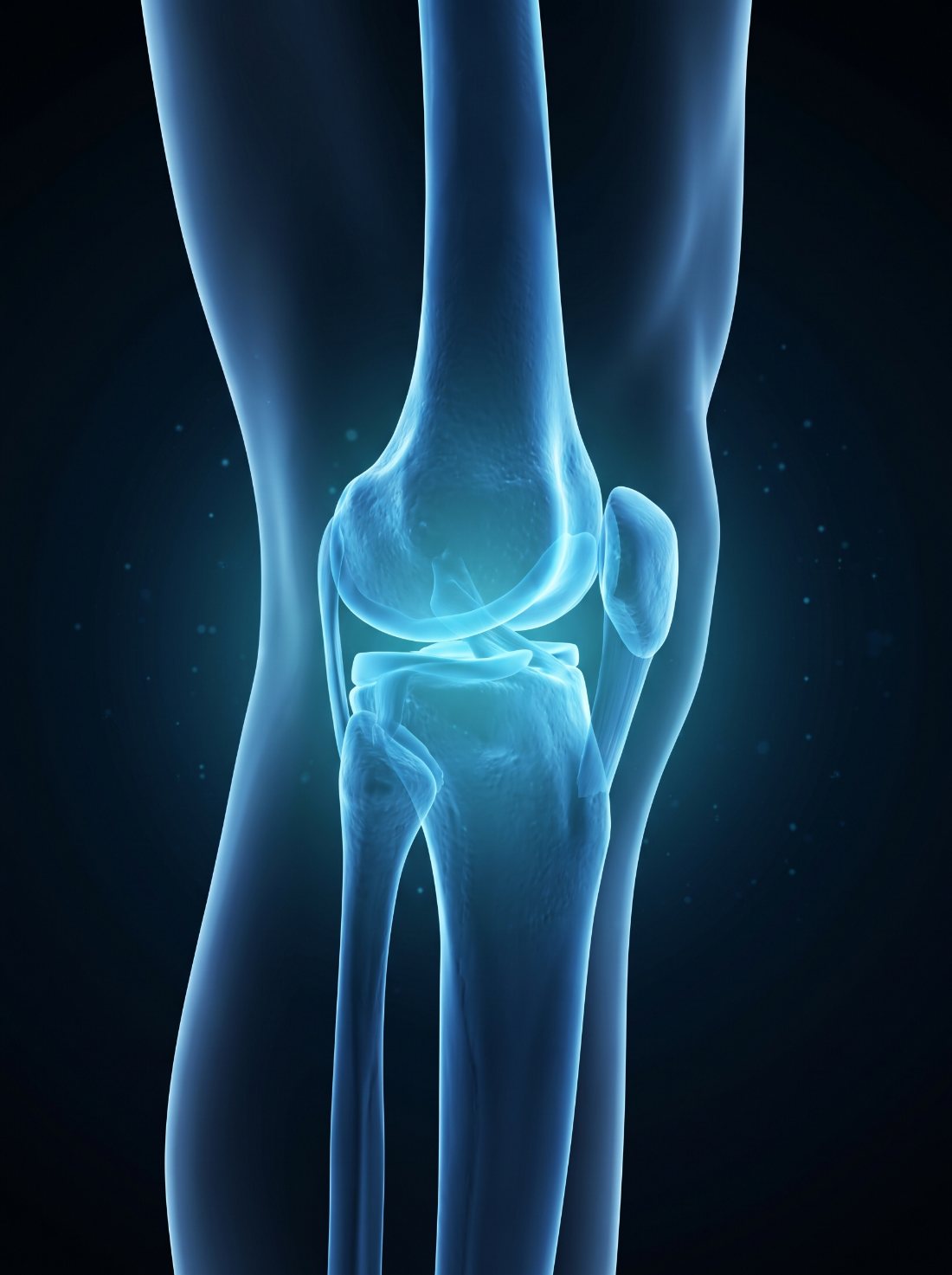
The key stabilising ligament of the knee, often torn in sudden pivots and landings.
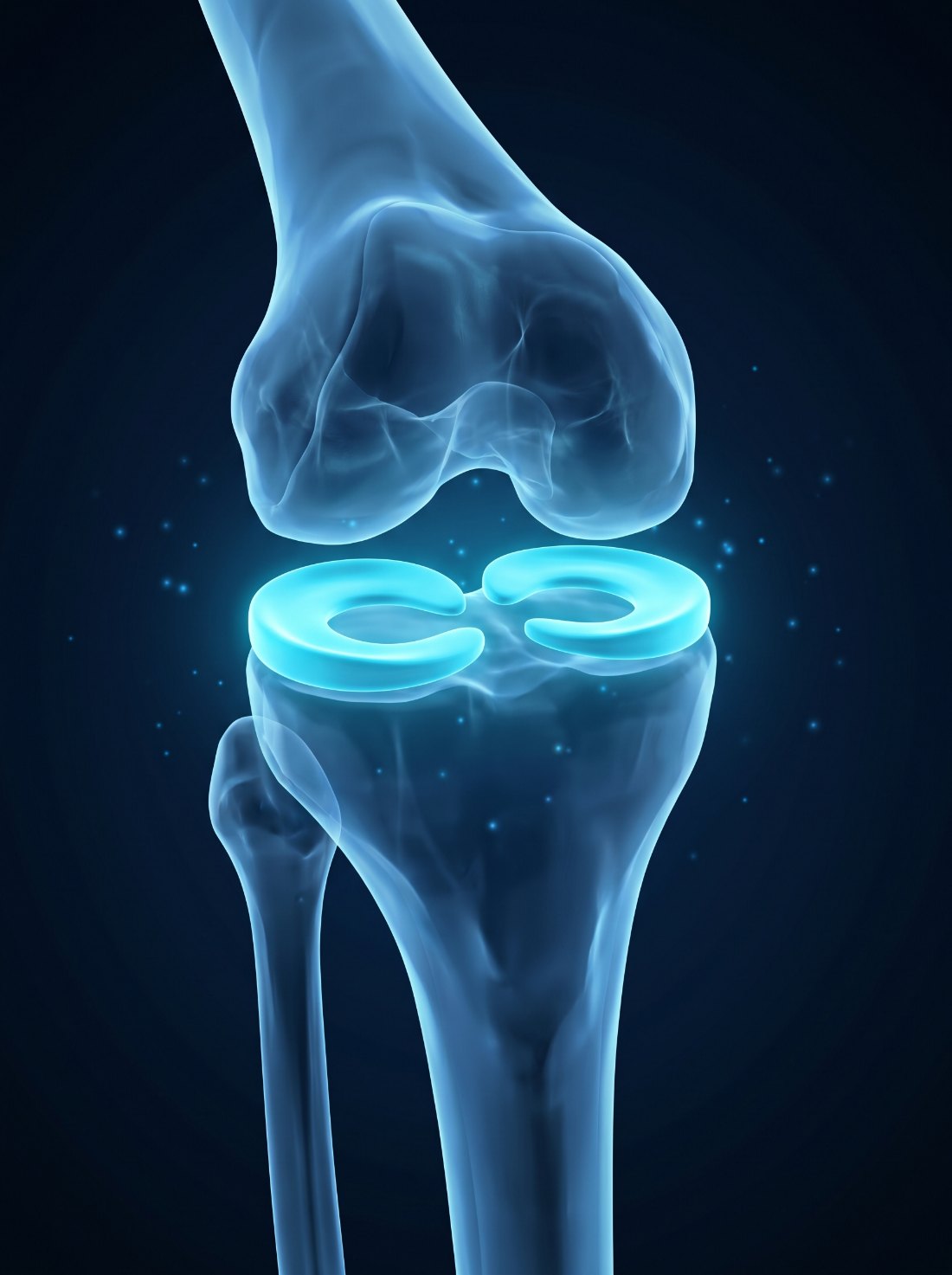
A tear in the knee’s shock absorber — not every tear needs surgery.
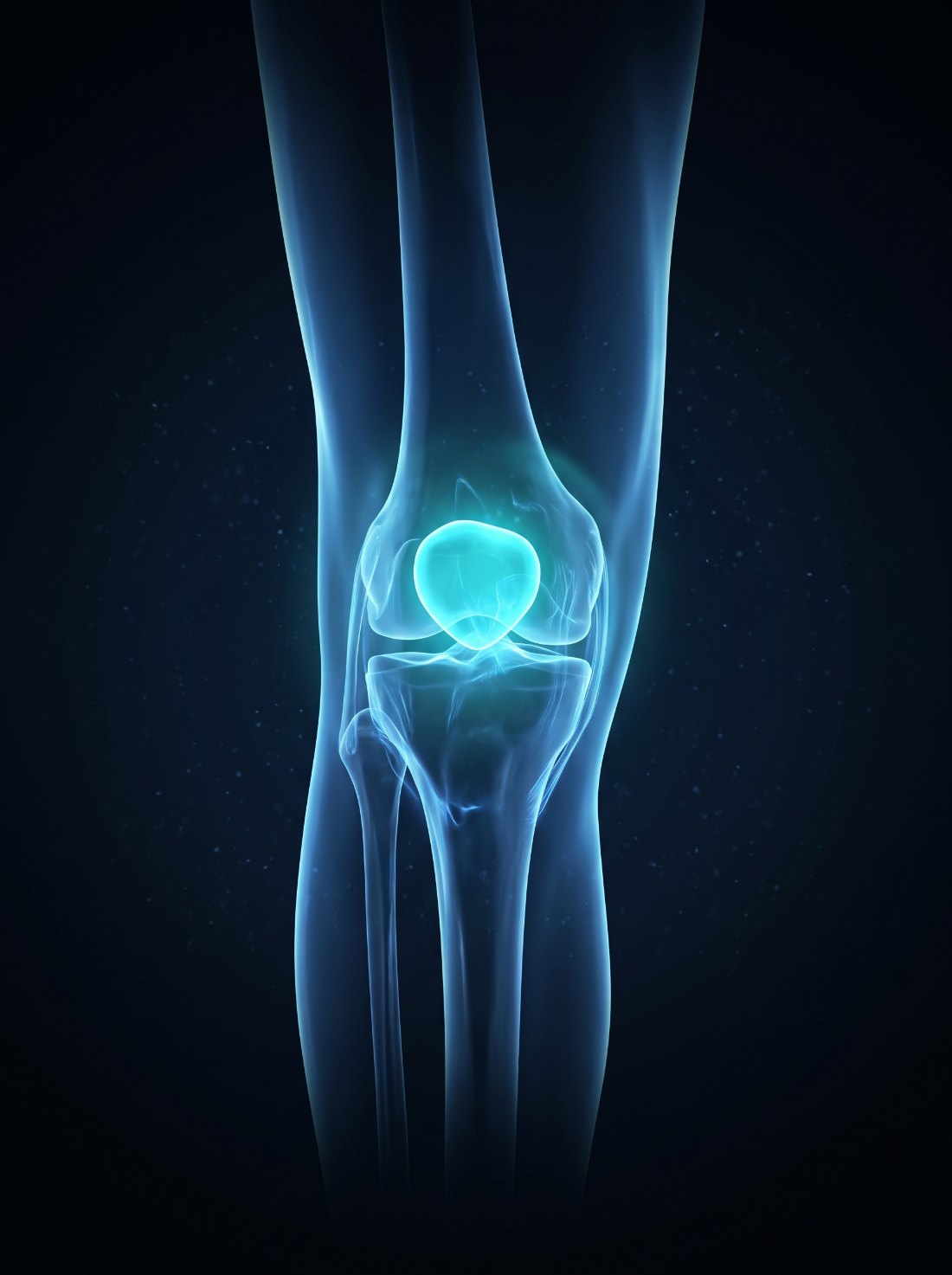
When the kneecap dislocates or feels as if it is about to slip out.
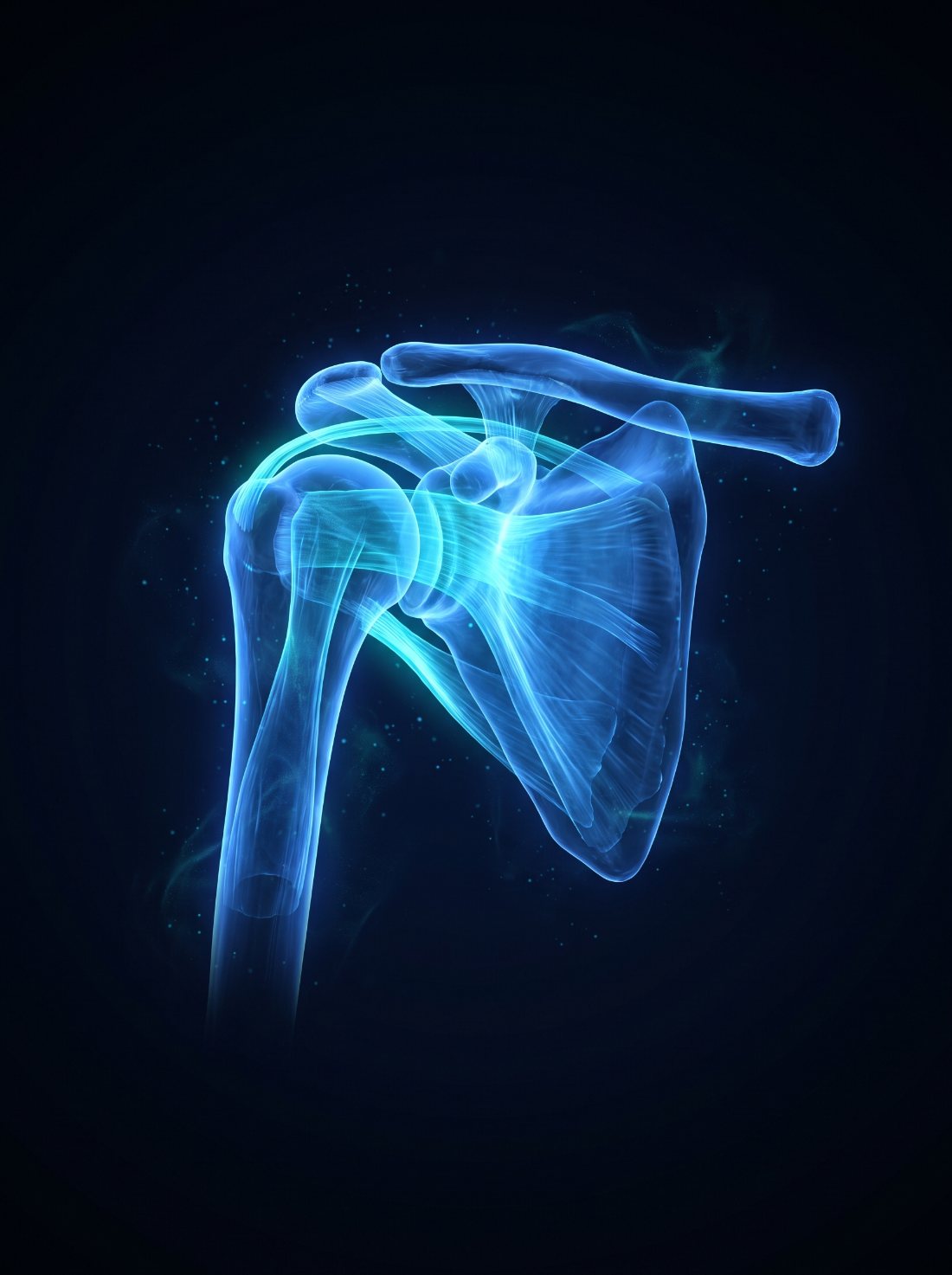
Keyhole surgery for rotator cuff tears, dislocations and impingement.
You can book your consultation online through Memorial Şişli Hospital or by calling the call centre.
444 7 888