Knee &Hip Replacement
When joint-preserving treatments are no longer enough in advanced arthritis, joint replacement is a highly effective way to relieve pain and restore quality of life.
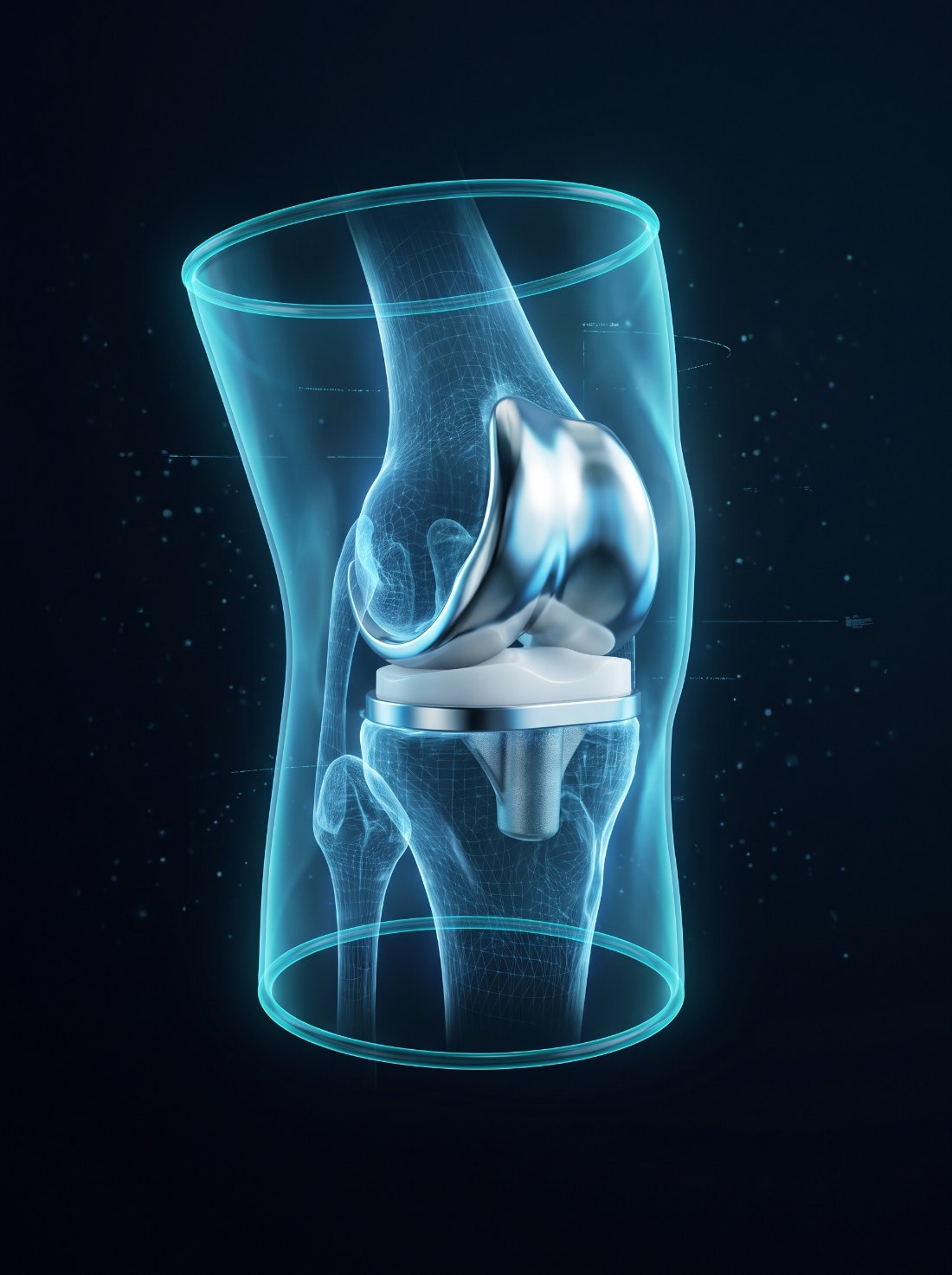
When joint-preserving treatments are no longer enough in advanced arthritis, joint replacement is a highly effective way to relieve pain and restore quality of life.
Pain at rest, a shrinking walking distance, night pain and symptoms that persist despite medication and exercise are the main reasons to consider replacement.
Successful replacement starts with accurate measurement and planning. Leg alignment, ligament balance and bone quality determine the best implant and technique. Robotic arthroplasty and implant planning are among Assoc. Prof. Aydın’s research interests.
In knee replacement, worn joint surfaces are resurfaced with metal and special plastic components; in hip replacement the damaged joint is replaced with an artificial one. Partial knee replacement may be an option for suitable patients.
Most patients walk with support the day after surgery and return to daily life within a few weeks with regular physiotherapy.
Modern implants are long-lasting; with good surgery and regular follow-up they can serve for many years.
Usually with support on the day after surgery.
This page provides general information. The right treatment for you is decided with your doctor after examination and tests.
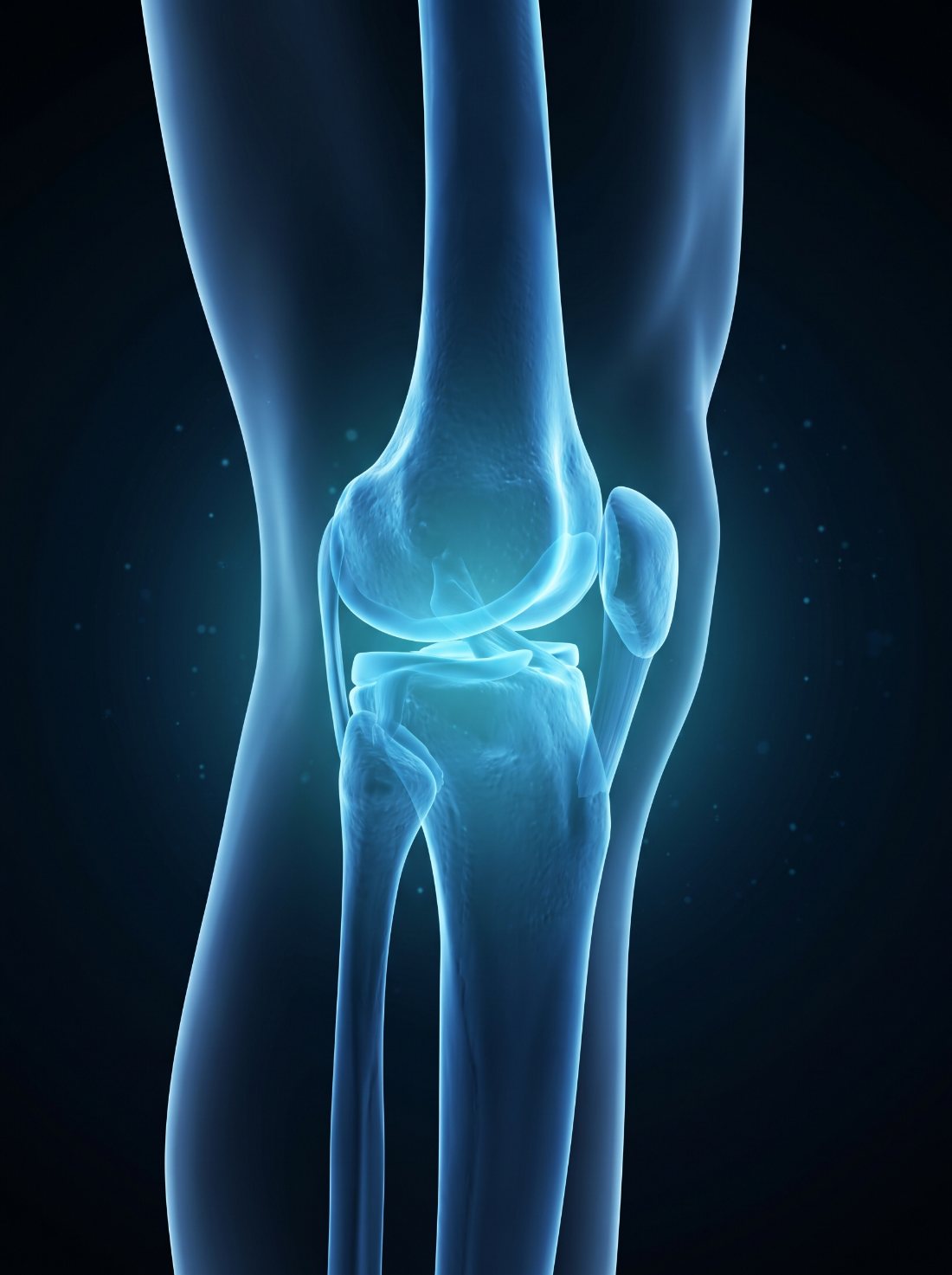
The key stabilising ligament of the knee, often torn in sudden pivots and landings.
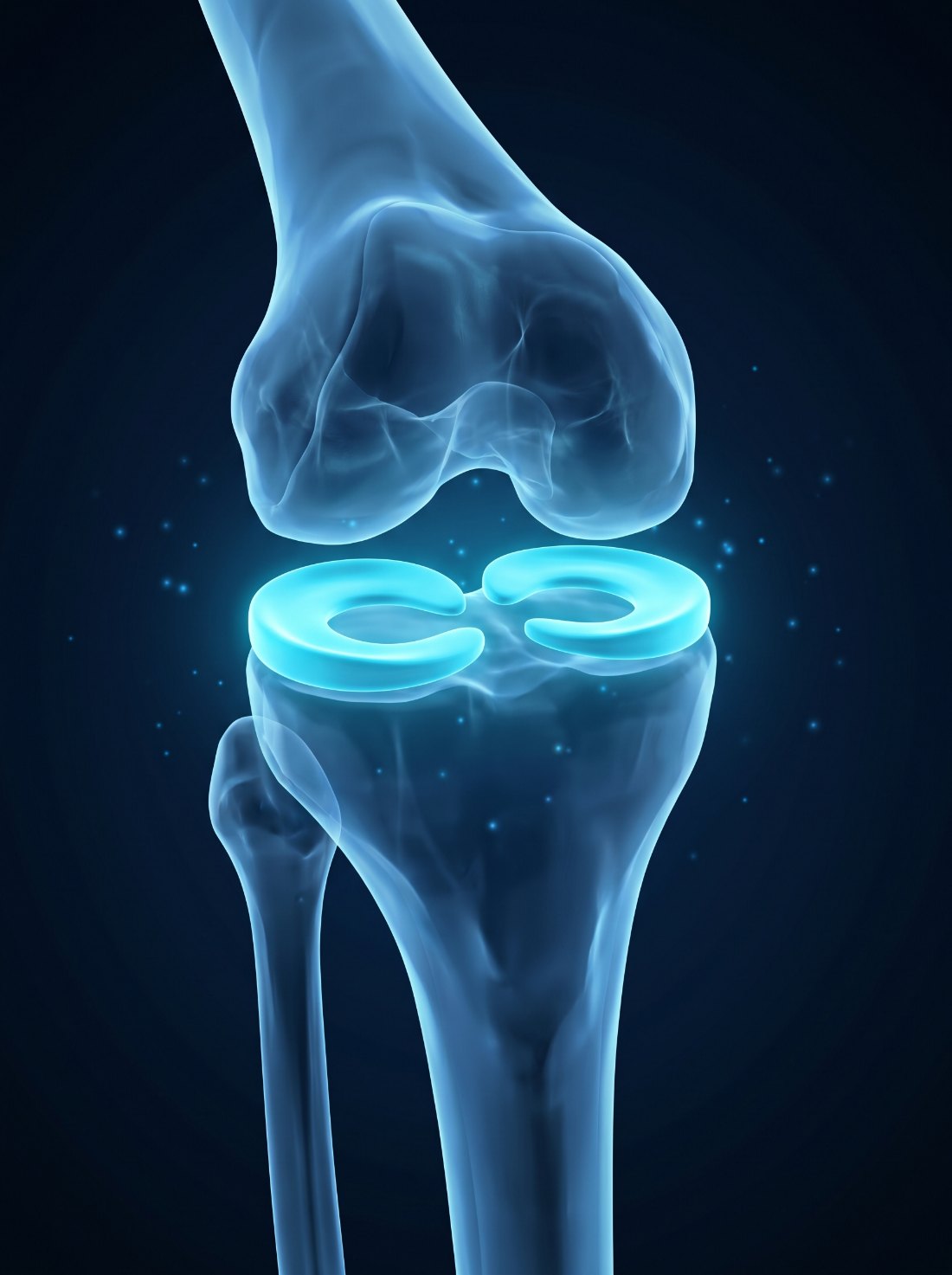
A tear in the knee’s shock absorber — not every tear needs surgery.
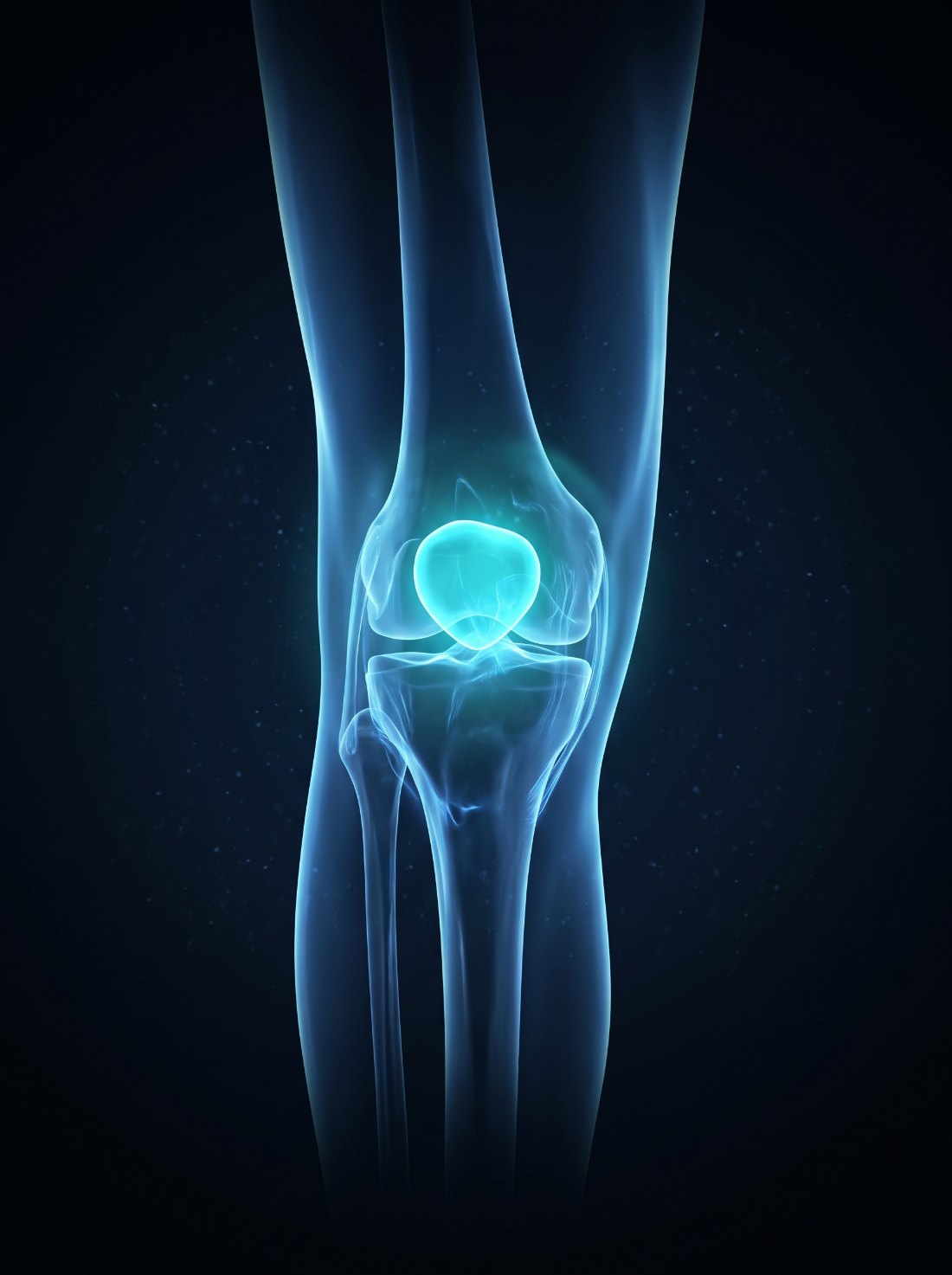
When the kneecap dislocates or feels as if it is about to slip out.
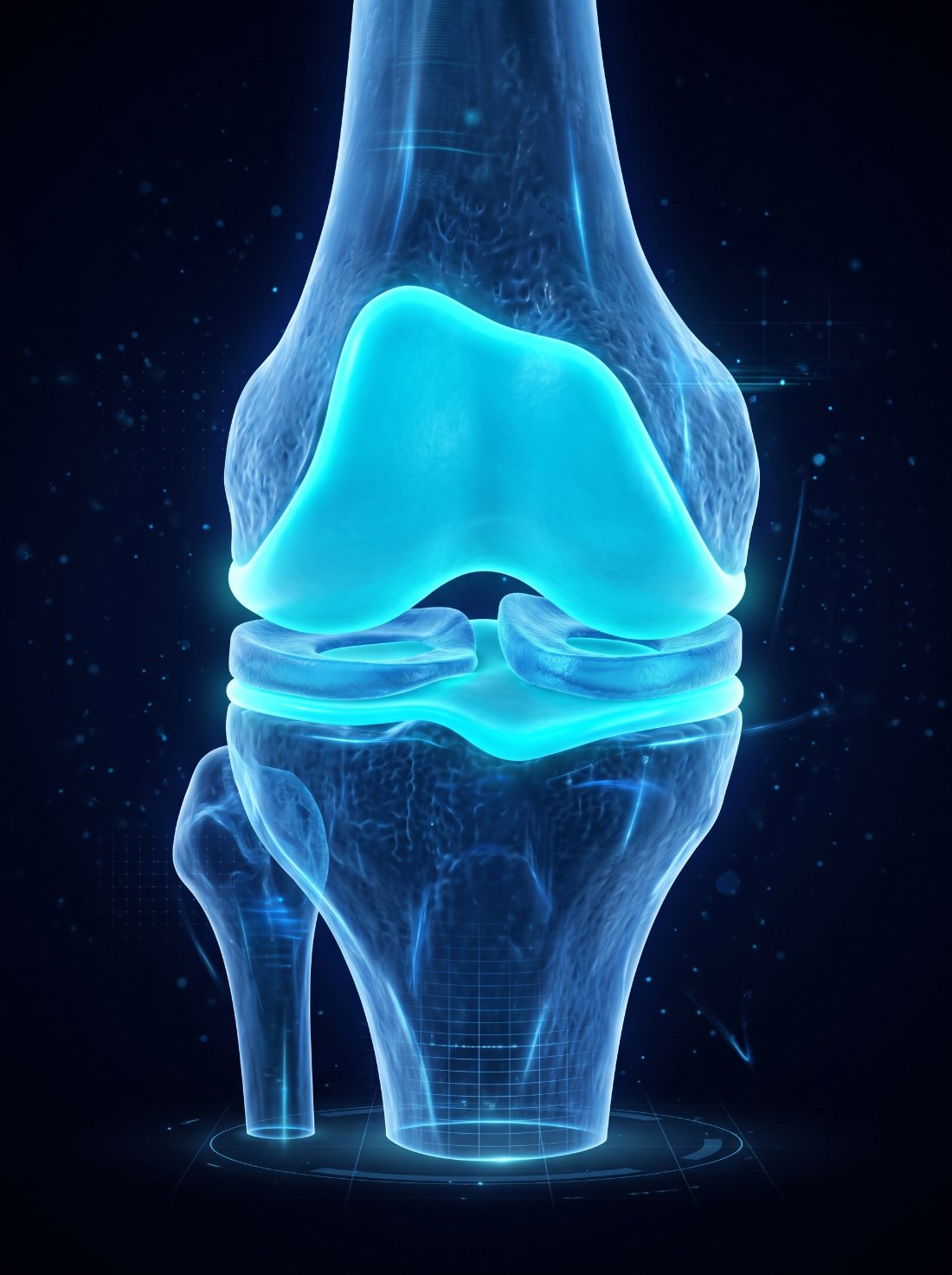
Joint-preserving approaches for damage to the cartilage that protects the joint surface.
You can book your consultation online through Memorial Şişli Hospital or by calling the call centre.
444 7 888