Patellar Instability
The kneecap glides in a groove on the front of the thigh bone. If the groove is shallow or the supporting ligaments are weak, the kneecap can slip outwards — a problem that tends to recur, especially in young, active patients.
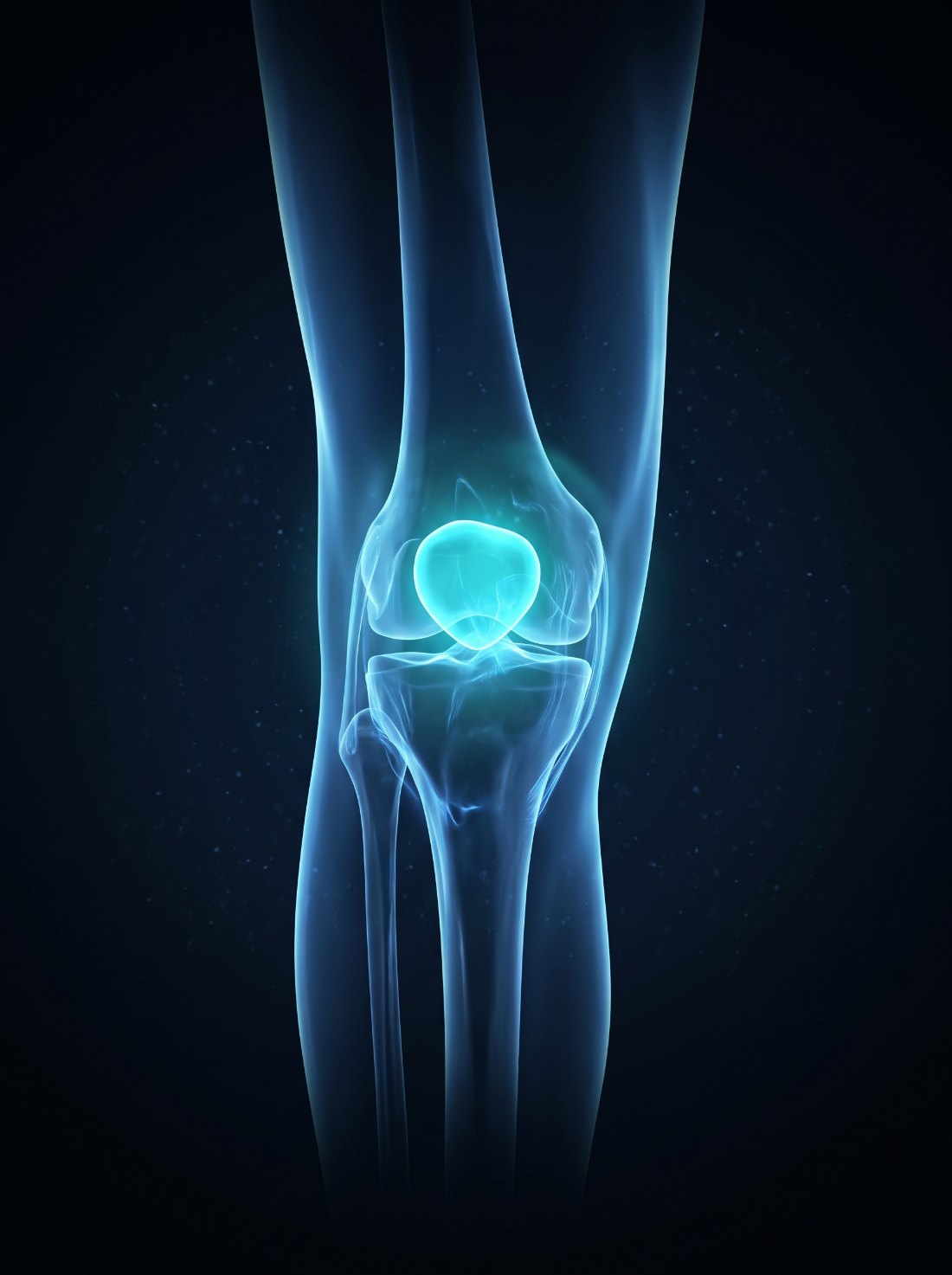
The kneecap glides in a groove on the front of the thigh bone. If the groove is shallow or the supporting ligaments are weak, the kneecap can slip outwards — a problem that tends to recur, especially in young, active patients.
Patellar instability means the kneecap dislocates, or slides enough to feel unstable. The first dislocation often damages the MPFL, the ligament that holds the kneecap on the inside.
In addition to examination, X-ray, MRI and, when needed, CT assess groove depth, kneecap height and leg alignment. The treatment plan is tailored to these risk factors.
After a first dislocation, physiotherapy and a hip–thigh strengthening programme are usually enough. Surgery is considered for recurrent dislocations or when a cartilage fragment has broken off.
Surgery reconstructs the damaged MPFL and, when needed, corrects bony alignment.
Controlled movement starts early after surgery. Return to sport is planned once strength and confidence reach an adequate level.
It depends on risk factors. Young age, a shallow groove and a high-riding kneecap increase the risk.
Most patients are treated without surgery after a first dislocation; surgery is considered for recurrent cases.
This page provides general information. The right treatment for you is decided with your doctor after examination and tests.
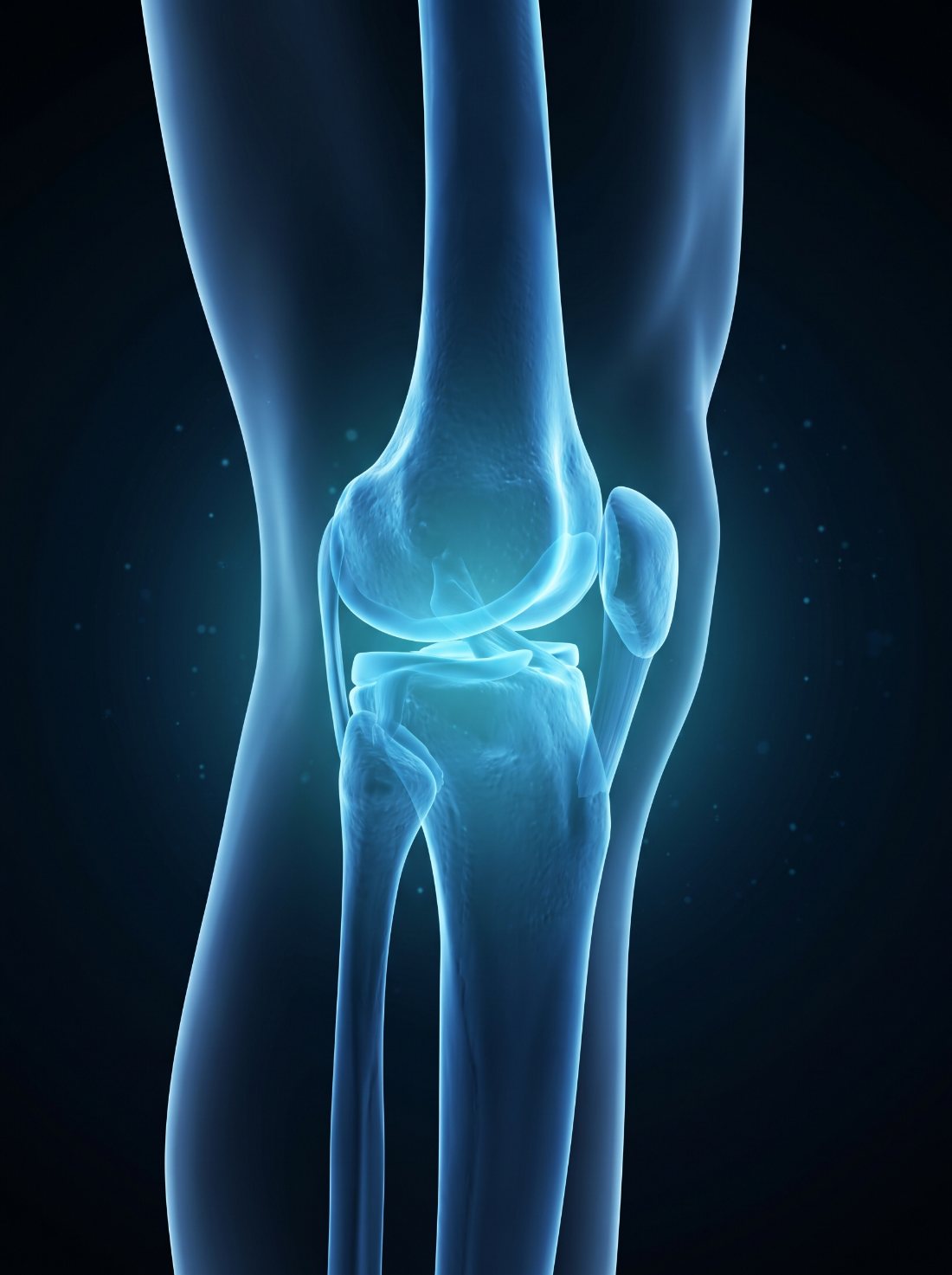
The key stabilising ligament of the knee, often torn in sudden pivots and landings.
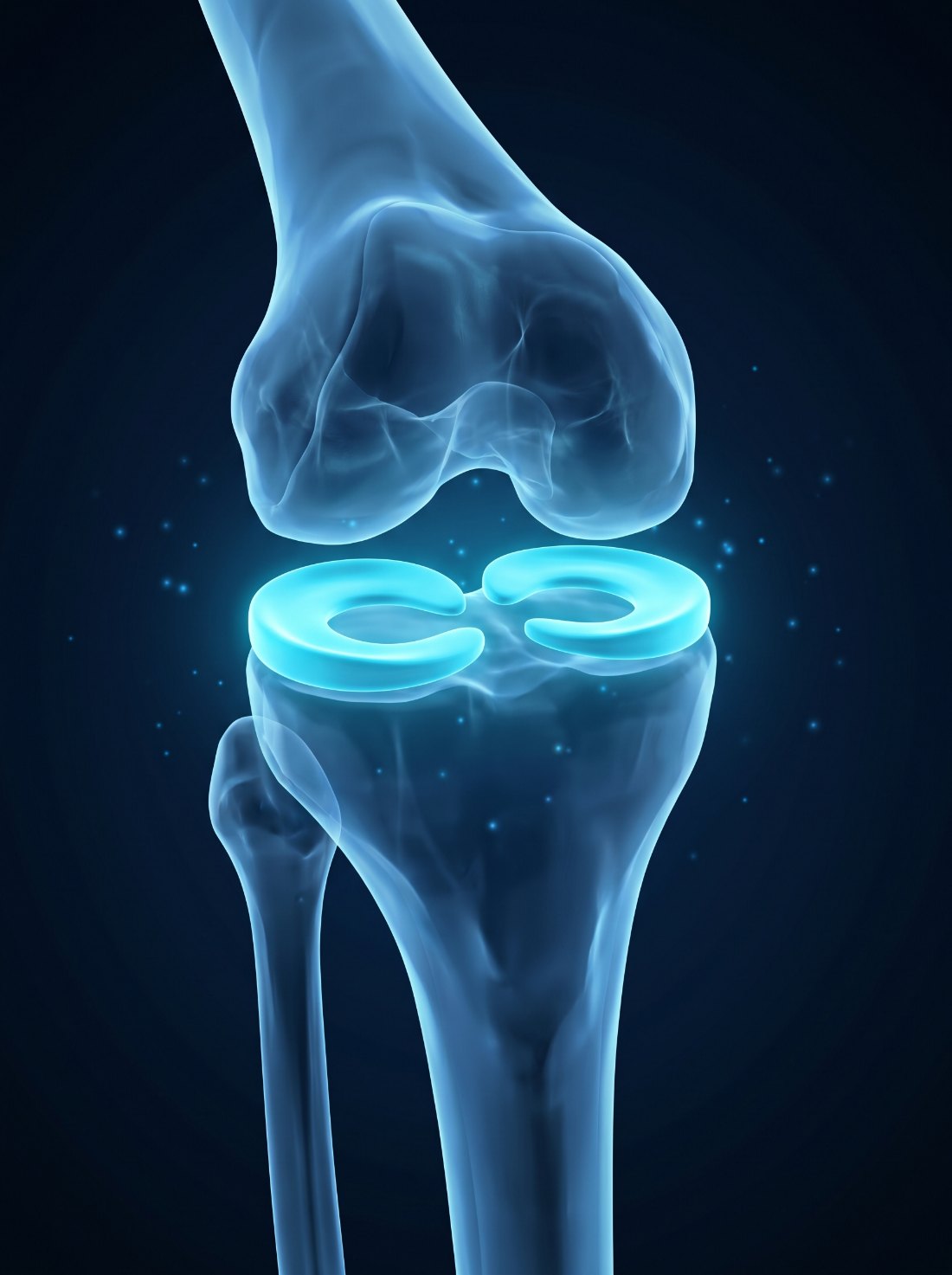
A tear in the knee’s shock absorber — not every tear needs surgery.
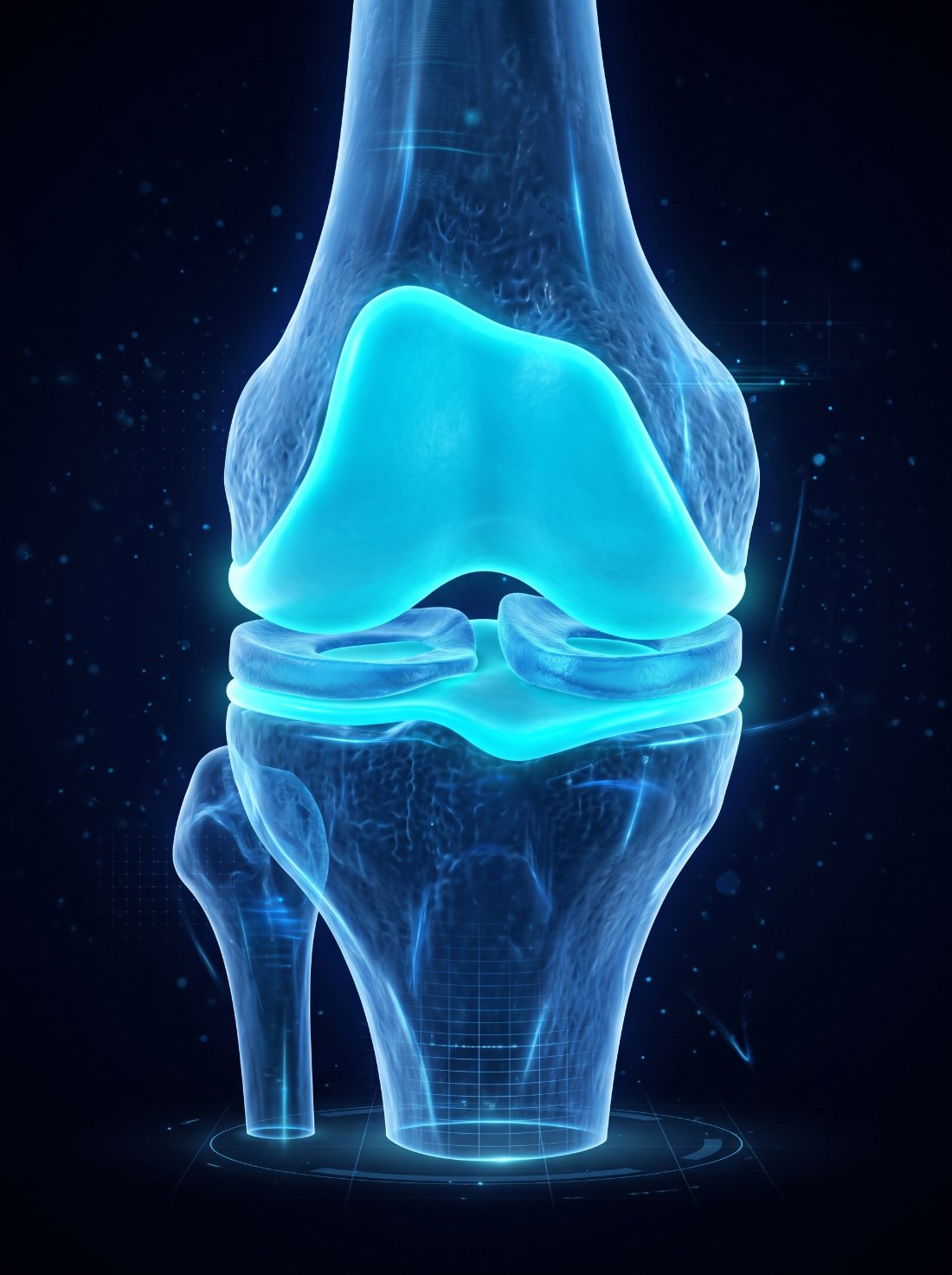
Joint-preserving approaches for damage to the cartilage that protects the joint surface.
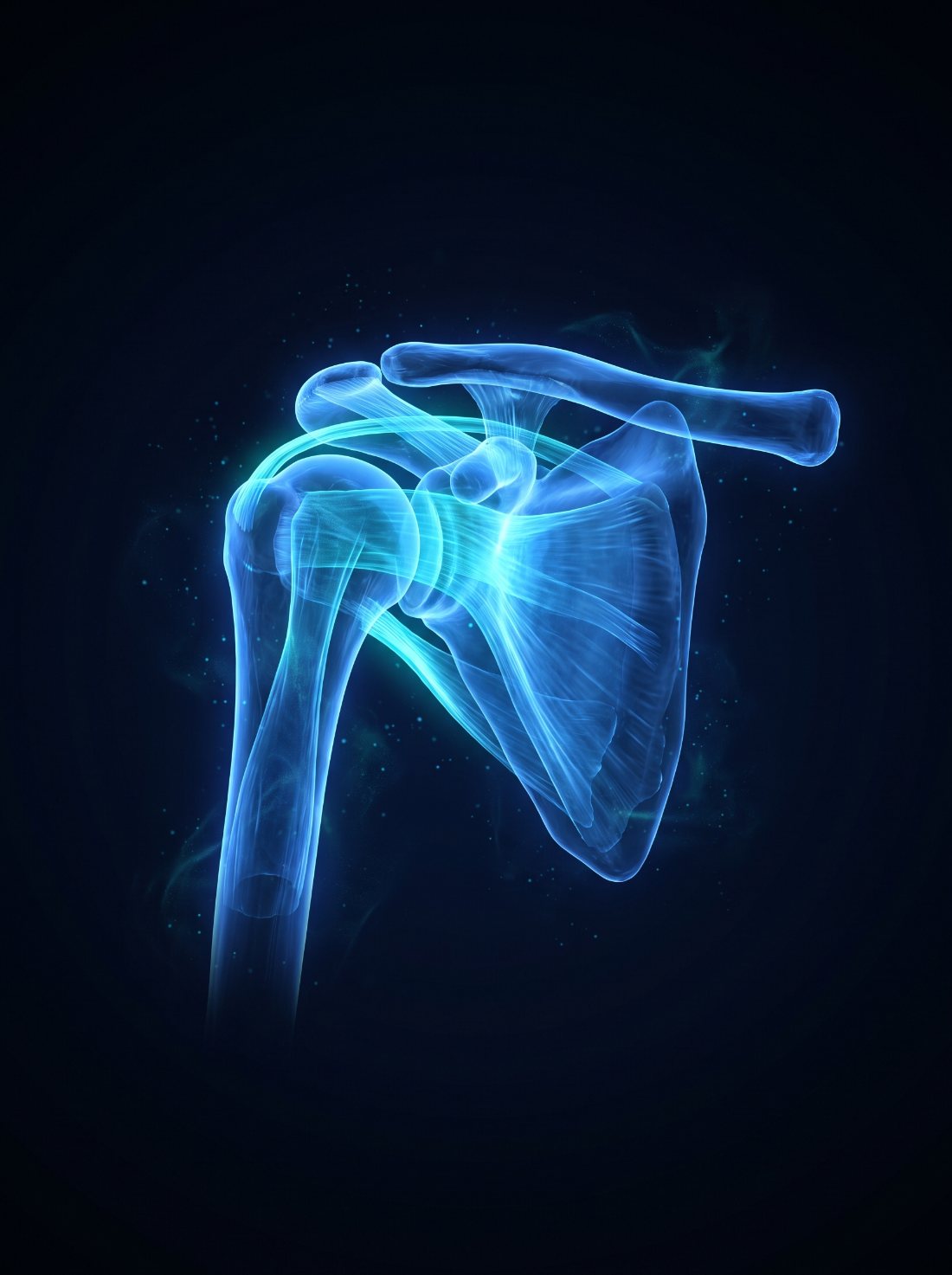
Keyhole surgery for rotator cuff tears, dislocations and impingement.
You can book your consultation online through Memorial Şişli Hospital or by calling the call centre.
444 7 888